Hey there! As a supplier of reverse osmosis water purifiers, I often get asked a bunch of questions about how these nifty devices work and what they can actually remove from water. One question that's been popping up a lot lately is, "Can a reverse osmosis water purifier remove pharmaceuticals?" Well, let's dive right into it and find out.
First off, let me give you a quick rundown on how reverse osmosis (RO) water purifiers work. Picture this: water is forced through a super - thin, semi - permeable membrane under pressure. This membrane has teeny - tiny pores that are so small that most contaminants can't pass through. Things like sediment, bacteria, viruses, and many chemicals get left behind on one side of the membrane, while clean, purified water makes it through to the other side.
Now, onto the big question about pharmaceuticals. Pharmaceuticals in our water supply are a growing concern. We flush unused meds down the toilet, and they end up in our sewage systems. Some of these drugs aren't fully broken down during the wastewater treatment process, so they find their way back into our water sources. It's a bit of a vicious cycle.
So, can RO water purifiers remove these pesky pharmaceuticals? The short answer is, in most cases, yes. Reverse osmosis membranes are pretty good at blocking a wide range of pharmaceutical compounds. The size and structure of the membrane pores play a huge role here. Most pharmaceutical molecules are large enough that they can't slip through the tiny holes in the RO membrane.
Let's take a look at some common types of pharmaceuticals. Antibiotics, for example, are a big deal when it comes to water contamination. These drugs are used to fight off infections, but when they end up in our water, they can contribute to the development of antibiotic - resistant bacteria. Good news is, RO systems can effectively remove many antibiotics. Their molecular size is usually large enough that the membrane acts as a barrier, keeping them out of your drinking water.
Another group of pharmaceuticals is hormones. Hormones like estrogen and testosterone can have a significant impact on the environment and our health. They can disrupt the endocrine system, especially in aquatic life. RO water purifiers are also quite effective at removing hormones. The membrane filtration process stops these hormone molecules from getting into your purified water supply.


However, it's not a one - size - fits - all situation. There are some factors that can affect how well an RO system removes pharmaceuticals. The type of membrane is crucial. Different RO membranes have different pore sizes and chemical properties. Some high - quality membranes are designed specifically to target a broader range of contaminants, including pharmaceuticals.
The condition of the membrane also matters. Over time, the membrane can get clogged with other contaminants like sediment and minerals. When this happens, its efficiency can drop. That's why it's important to keep up with regular maintenance, like changing the filters. Check out Reverse Osmosis Water System Filter Change for more info on how to keep your system in top shape.
The concentration of pharmaceuticals in the water is another factor. If the water has extremely high levels of drugs, the RO system might not be able to remove all of them completely. But in most real - world scenarios, where the concentrations are relatively low, RO systems do a great job.
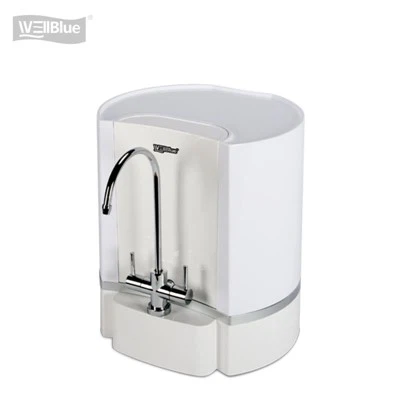
Let's talk about some of the products we offer. Our 7 - Stage UV Reverse Osmosis Alkaline Water Filtration System is a top - notch option. This system has multiple stages of filtration, including the RO membrane, but it also has a UV stage. The UV light helps to kill any remaining bacteria or viruses that might have made it past the membrane. And the alkaline stage helps to balance the pH of the water, making it taste better and potentially more beneficial for your health.
Our 5 Stage Reverse Osmosis Water Purifier is also a great choice. It's a more compact and cost - effective option, but it still provides excellent filtration. The five stages work together to remove a wide range of contaminants, including pharmaceuticals.
It's important to note that while RO systems are great at removing many pharmaceuticals, they're not a silver bullet. No water purification system is perfect. There are some smaller pharmaceutical molecules that might be able to sneak through the membrane. Also, RO systems need to be properly maintained to work at their best.
If you're worried about pharmaceuticals in your water, I'd recommend doing a water test first. This will give you an idea of what exactly is in your water supply and which contaminants you need to focus on. You can then choose the right RO system based on your specific needs.
In conclusion, reverse osmosis water purifiers are a powerful tool in the fight against pharmaceutical contamination in our water. They can remove a large percentage of common drugs, helping to keep your drinking water safe and clean. Whether you go for our 7 - stage system or the 5 - stage option, you're taking a big step towards better water quality.
If you're interested in learning more about our reverse osmosis water purifiers or have any questions about how they can help with pharmaceutical removal, don't hesitate to reach out. We're here to help you make the best choice for your home or business. Let's work together to ensure you have access to the cleanest, purest water possible.
References
- Environmental Protection Agency (EPA) reports on water contaminants and treatment technologies
- Scientific studies on the effectiveness of reverse osmosis in removing pharmaceuticals from water