


Water quality is a dynamic parameter that can experience sudden changes due to various factors such as industrial spills, natural disasters, or seasonal variations. As a supplier of water filter cartridges and carbon blocks, understanding how these filtration components respond to such sudden changes is crucial for ensuring the continued provision of clean and safe water.
The Basics of Water Filter Cartridges and Carbon Blocks
Water filter cartridges and carbon blocks are two of the most common types of filtration media used in water treatment systems. Water filter cartridges are typically made of porous materials such as cellulose, polyester, or polypropylene, which trap particles and contaminants as water passes through them. The pore size of the cartridge determines the size of the particles that can be removed, with smaller pore sizes providing greater filtration efficiency.
Carbon blocks, on the other hand, are made of compressed activated carbon, which has a large surface area and high adsorption capacity. Activated carbon is effective at removing organic compounds, chlorine, and other chemicals from water by adsorbing them onto its surface. Carbon blocks are often used in combination with other filtration media to provide a more comprehensive filtration solution.
Response to Sudden Changes in Particle Concentration
One of the most common types of sudden water quality changes is an increase in particle concentration. This can occur due to sediment runoff after heavy rainfall, industrial discharges, or the breakdown of infrastructure. When faced with a sudden increase in particle concentration, water filter cartridges play a crucial role in protecting the downstream filtration system and ensuring the quality of the treated water.
The effectiveness of a water filter cartridge in responding to a sudden increase in particle concentration depends on several factors, including its pore size, surface area, and dirt-holding capacity. Cartridges with smaller pore sizes are more effective at removing fine particles but may become clogged more quickly. Conversely, cartridges with larger pore sizes can handle higher particle loads but may not provide as high a level of filtration.
In general, water filter cartridges are designed to gradually accumulate particles over time. However, when faced with a sudden increase in particle concentration, the cartridge may become saturated more quickly than normal. This can lead to a decrease in flow rate and an increase in pressure drop across the cartridge. If the cartridge is not replaced in a timely manner, it may eventually fail, allowing particles to pass through and contaminate the treated water.
To mitigate the impact of sudden increases in particle concentration, it is important to choose water filter cartridges with a high dirt-holding capacity and to monitor the pressure drop across the cartridge regularly. If the pressure drop exceeds the manufacturer's recommended limit, it is a sign that the cartridge needs to be replaced.
Response to Sudden Changes in Chemical Contaminants
Another type of sudden water quality change is an increase in chemical contaminants. This can occur due to industrial spills, agricultural runoff, or the release of chemicals into the water supply. When faced with a sudden increase in chemical contaminants, carbon blocks are the primary line of defense in removing these harmful substances from the water.
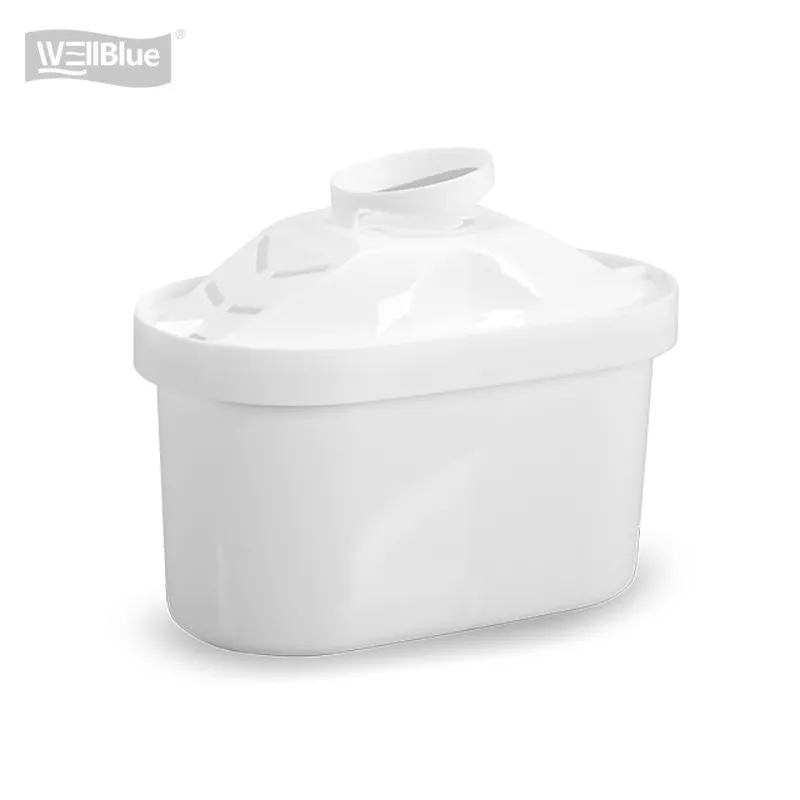

The effectiveness of a carbon block in responding to a sudden increase in chemical contaminants depends on several factors, including its adsorption capacity, contact time, and the type of contaminants present. Carbon blocks with a high adsorption capacity are able to remove more contaminants from the water, while longer contact times allow for more effective adsorption.
However, carbon blocks have a limited adsorption capacity, and once they become saturated, they are no longer able to remove contaminants from the water. When faced with a sudden increase in chemical contaminants, the carbon block may become saturated more quickly than normal, reducing its effectiveness.
To ensure the continued effectiveness of carbon blocks in responding to sudden changes in chemical contaminants, it is important to choose carbon blocks with a high adsorption capacity and to replace them regularly. Additionally, it may be necessary to use multiple carbon blocks in series or in combination with other filtration media to provide a more comprehensive filtration solution.
Impact on Filtration System Performance
Sudden changes in water quality can have a significant impact on the performance of water filtration systems. When faced with a sudden increase in particle concentration or chemical contaminants, the filtration system may experience a decrease in flow rate, an increase in pressure drop, and a reduction in the quality of the treated water.
In some cases, sudden changes in water quality can also cause damage to the filtration system. For example, high levels of sediment or abrasive particles can cause wear and tear on the pump and other components of the system, reducing their lifespan. Similarly, exposure to certain chemicals can cause corrosion or degradation of the filtration media and other components.
To minimize the impact of sudden changes in water quality on the performance of water filtration systems, it is important to design the system to be robust and flexible. This may involve using multiple stages of filtration, incorporating bypass valves or other safety features, and regularly monitoring the water quality and system performance.
Case Studies
To illustrate how water filter cartridges and carbon blocks respond to sudden changes in water quality, let's consider a few case studies.
Case Study 1: Industrial Spill
In a manufacturing area, an industrial spill occurred, releasing a large amount of heavy metals and organic chemicals into the local water supply. A water treatment plant that used a combination of water filter cartridges and carbon blocks to treat the water was immediately affected.
The water filter cartridges were able to trap a significant amount of the sediment and larger particles associated with the spill, preventing them from reaching the carbon blocks. However, the high concentration of chemicals quickly saturated the carbon blocks, reducing their ability to remove the contaminants.
To address the issue, the water treatment plant increased the frequency of carbon block replacement and added additional carbon blocks to the filtration system. They also monitored the water quality closely and adjusted the filtration process as needed. As a result, they were able to maintain the quality of the treated water and protect the health of the local community.
Case Study 2: Heavy Rainfall
In a rural area, heavy rainfall caused significant sediment runoff into the local water source. A household water filtration system that used a water filter cartridge and a carbon block was unable to keep up with the sudden increase in particle concentration.
The water filter cartridge became clogged quickly, reducing the flow rate of the water. The homeowner noticed a decrease in water pressure and a change in the taste and odor of the water. They replaced the water filter cartridge and increased the frequency of cartridge replacement to ensure the continued effectiveness of the filtration system.
Choosing the Right Filtration Solution
When selecting water filter cartridges and carbon blocks for your water treatment system, it is important to consider the specific water quality challenges you may face. This includes understanding the types of contaminants present in your water, the potential for sudden changes in water quality, and the flow rate and volume of water you need to treat.
For applications where sudden increases in particle concentration are likely, such as in areas prone to heavy rainfall or industrial activity, it is recommended to choose water filter cartridges with a high dirt-holding capacity and a large surface area. Additionally, using multiple cartridges in series can provide additional protection and extend the lifespan of the filtration system.
For applications where sudden increases in chemical contaminants are a concern, such as in areas near industrial sites or agricultural operations, it is important to choose carbon blocks with a high adsorption capacity and a long contact time. Using multiple carbon blocks in series or in combination with other filtration media can also provide a more comprehensive filtration solution.
Conclusion
As a supplier of water filter cartridges and carbon blocks, we understand the importance of providing high-quality filtration solutions that can respond effectively to sudden changes in water quality. By choosing the right filtration media and designing a robust and flexible filtration system, you can ensure the continued provision of clean and safe water, even in the face of unexpected challenges.
If you are interested in learning more about our water filter cartridges and carbon blocks or need assistance in selecting the right filtration solution for your specific needs, please do not hesitate to contact us. We are committed to providing our customers with the best possible products and services and look forward to the opportunity to work with you.
References
- AWWA (American Water Works Association). Water Quality and Treatment: A Handbook of Community Water Supplies. McGraw-Hill Education.
- Crittenden, J. C., Trussell, R. R., Hand, D. W., Howe, K. J., & Tchobanoglous, G. (2012). Water Treatment: Principles and Design. Wiley.
- USEPA (United States Environmental Protection Agency). Drinking Water Regulations and Health Advisories. https://www.epa.gov/dwreginfo


