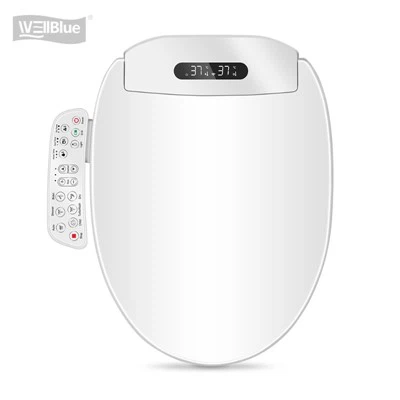
In the modern era of home improvement, the choice of a toilet can significantly affect both the comfort of your bathroom experience and your monthly water bills. As a supplier of soft - close toilets, I've witnessed firsthand how these innovative fixtures can make a remarkable difference in water consumption. In this blog, I'll delve into the impact of a soft - close toilet on water bills and why it's a worthy investment for your home.
Understanding Soft - Close Toilets
Soft - close toilets are a technological advancement in the world of bathroom fixtures. The key feature of a soft - close toilet is its ability to close the toilet seat and lid slowly and quietly, eliminating the loud slamming noise that is common with traditional toilet seats. This is made possible through a hydraulic or pneumatic mechanism installed within the hinge of the seat and lid.
Beyond the noise - reduction benefit, these toilets are often designed with water - saving features. Many soft - close toilets come with dual - flush options, which allow users to choose between a full flush for solid waste and a partial flush for liquid waste. This dual - flush system is a game - changer when it comes to water conservation.
How Soft - Close Toilets Conserve Water
Dual - Flush Technology
The dual - flush system is one of the most significant water - saving features of soft - close toilets. A full flush in a traditional single - flush toilet can use up to 6 gallons (about 22.7 liters) of water per flush. In contrast, a soft - close toilet with a dual - flush system typically uses around 1.6 gallons (about 6 liters) for a full flush and as little as 0.8 gallons (about 3 liters) for a partial flush.
Let's do some simple math to understand the potential savings. Assume a household of four people flushes the toilet about 10 times a day. If they use a traditional single - flush toilet, they would consume 60 gallons (about 227 liters) of water per day. However, if they switch to a soft - close toilet with a dual - flush system and assume that 70% of the flushes are partial flushes, the daily water consumption would be (0.8 * 7 + 1.6 * 3) = 5.6+4.8 = 10.4 gallons (about 39.4 liters). This represents a significant reduction in water usage, which directly translates into lower water bills.
Efficient Flushing Mechanisms
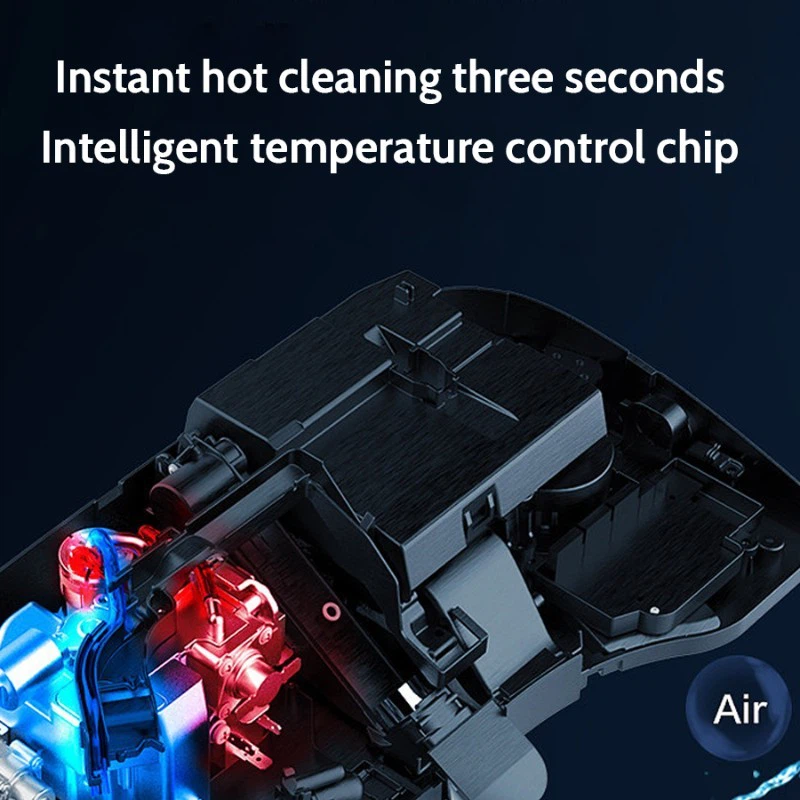
Soft - close toilets are also designed with more efficient flushing mechanisms. The shape of the bowl and the way water is distributed during a flush are optimized to ensure that waste is removed effectively with less water. For example, some soft - close toilets use a siphon jet flushing system, which creates a powerful suction to pull waste down the drain. This system can achieve a thorough flush with less water compared to traditional gravity - fed flushing systems.

Long - Term Savings on Water Bills
The immediate impact of installing a soft - close toilet on your water bill may not be very noticeable. However, over the long term, the savings can be substantial. Consider a family that pays an average of $50 per month for water. By switching to a soft - close toilet and reducing their water consumption by, say, 50%, they could save up to $300 per year on their water bills.
Moreover, as water prices continue to rise in many regions due to factors such as population growth, droughts, and infrastructure costs, the savings from using a water - efficient soft - close toilet will become even more significant. In addition to the direct savings on water bills, some local governments and water utilities offer rebates or incentives for installing water - efficient fixtures, which can further offset the initial cost of purchasing and installing a soft - close toilet.
Other Benefits of Soft - Close Toilets
Comfort and Durability
Soft - close toilets not only save water but also enhance the overall comfort of your bathroom experience. The slow - closing seat and lid prevent fingers from getting pinched and reduce the wear and tear on the seat and lid. This means that you won't have to replace the toilet seat as frequently, which can also save you money in the long run.
Aesthetic Appeal
Soft - close toilets come in a variety of styles and designs, so you can choose one that complements the decor of your bathroom. Whether you prefer a modern, minimalist look or a more traditional design, there is a soft - close toilet to suit your taste. For example, our White Panel Remote Control Toilet Seat and Black Panel Remote Control Toilet Seat offer a sleek and sophisticated look, while our Automatic Remote Control Toilet Seat provides added convenience with its automatic features.
Making the Switch
If you're considering switching to a soft - close toilet, it's important to choose a high - quality product. Look for toilets that are WaterSense certified, which means they meet strict water - efficiency standards set by the Environmental Protection Agency (EPA). A WaterSense - certified soft - close toilet will ensure that you get the maximum water - saving benefits while still providing reliable performance.
When installing a soft - close toilet, it's also a good idea to have it installed by a professional plumber. A proper installation is crucial to ensure that the toilet functions correctly and that there are no leaks, which can waste water and increase your water bills.
Conclusion
In conclusion, a soft - close toilet is a smart investment for any homeowner. Not only does it offer the convenience of a quiet - closing seat and lid, but it also has a significant impact on reducing water consumption and lowering water bills. With the dual - flush system, efficient flushing mechanisms, and long - term savings potential, a soft - close toilet is a win - win for both your wallet and the environment.
If you're interested in learning more about our range of soft - close toilets or would like to discuss a potential purchase, we'd love to hear from you. Contact us to start a conversation about how our products can meet your needs and help you save on water bills.
References
- American Water Works Association. (2020). Water Efficiency in Residential Buildings.
- Environmental Protection Agency. (2021). WaterSense Program: Saving Water, Saving Money.