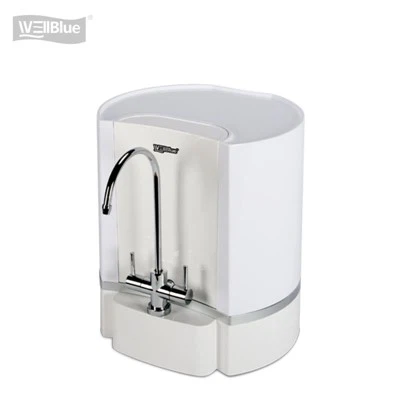
As a supplier of alkaline water purifiers, I am often asked about the purification process of these innovative devices. Alkaline water purifiers have gained significant popularity in recent years due to their potential health benefits and the ability to provide clean, alkaline water for daily consumption. In this blog post, I will delve into the purification process of an alkaline water purifier, explaining how it works and why it is an excellent choice for those seeking high-quality, healthy water.
The Basics of Alkaline Water
Before we explore the purification process, let's first understand what alkaline water is. Alkaline water has a higher pH level than regular tap water, typically ranging from 7.5 to 9.5. The pH scale measures the acidity or alkalinity of a substance, with 7 being neutral. Water with a pH above 7 is considered alkaline, while water with a pH below 7 is acidic.
Proponents of alkaline water claim that it can help neutralize acid in the body, improve hydration, boost the immune system, and even slow down the aging process. While scientific research on these claims is still ongoing, many people have reported feeling better after switching to alkaline water.
The Purification Process of an Alkaline Water Purifier
The purification process of an alkaline water purifier typically involves several stages, each designed to remove different types of contaminants and improve the quality of the water. Here is a step-by-step breakdown of the process:
1. Pre-Filtration
The first stage of the purification process is pre-filtration. This step involves removing large particles, such as sediment, rust, and debris, from the water. Pre-filters are usually made of materials like activated carbon, ceramic, or sediment filters.
Activated carbon filters are particularly effective at removing chlorine, volatile organic compounds (VOCs), and unpleasant odors and tastes from the water. Ceramic filters, on the other hand, can remove larger particles and some bacteria. Sediment filters are designed to trap sediment and other large particles, preventing them from entering the subsequent stages of the purification process.
2. Reverse Osmosis (RO) or Ultrafiltration (UF)
After pre-filtration, the water may undergo reverse osmosis (RO) or ultrafiltration (UF) to remove dissolved solids, heavy metals, and other contaminants.
Reverse osmosis is a process that uses a semi-permeable membrane to remove up to 99% of dissolved solids, including salts, minerals, and heavy metals, from the water. The membrane allows water molecules to pass through while blocking larger molecules and contaminants. This results in highly purified water that is free from most impurities.
Ultrafiltration, on the other hand, uses a membrane with larger pores than RO to remove particles, bacteria, and some viruses from the water. While UF does not remove dissolved solids as effectively as RO, it is a more cost-effective and energy-efficient option for some applications.
3. Mineralization
Once the water has been purified, it may undergo mineralization to add beneficial minerals back into the water. Alkaline water purifiers typically use mineral cartridges or filters to add minerals such as calcium, magnesium, and potassium to the water.
These minerals not only improve the taste of the water but also contribute to its alkalinity. Calcium and magnesium, in particular, are essential minerals that play a crucial role in maintaining healthy bones, teeth, and muscles.
4. Ionization
The final stage of the purification process is ionization. Ionization involves passing the purified and mineralized water through an electrolysis chamber, where it is separated into alkaline and acidic water.


During electrolysis, an electric current is applied to the water, causing the water molecules to split into hydrogen ions (H+) and hydroxide ions (OH-). The hydrogen ions are attracted to the negative electrode (cathode), while the hydroxide ions are attracted to the positive electrode (anode).
The water collected at the cathode is alkaline water, which has a higher concentration of hydroxide ions and a higher pH level. The water collected at the anode is acidic water, which has a higher concentration of hydrogen ions and a lower pH level.
The alkaline water produced by the ionization process is rich in antioxidants, which can help neutralize free radicals in the body and reduce oxidative stress. It also has a smaller cluster size than regular water, which makes it easier for the body to absorb and hydrate.
Types of Alkaline Water Purifiers
There are several types of alkaline water purifiers available on the market, each with its own unique features and benefits. Here are some of the most common types:
Countertop Alkaline Water Purifier
A Countertop Alkaline Water Purifier is a compact and portable device that can be placed on your kitchen countertop or table. It is easy to install and use, making it a popular choice for households and small offices.
Countertop alkaline water purifiers typically use a combination of pre-filters, RO or UF membranes, mineral cartridges, and ionization chambers to purify and alkalize the water. They are available in different sizes and capacities, depending on your needs.
Alkaline Mineral Water Purifier
An Alkaline Mineral Water Purifier is designed to add beneficial minerals to the water while also removing contaminants. These purifiers typically use mineral cartridges or filters to add minerals such as calcium, magnesium, and potassium to the water.
Alkaline mineral water purifiers may also use other purification technologies, such as RO or UF, to remove dissolved solids and other contaminants from the water. They are a great option for those who want to enjoy the benefits of alkaline water without the need for ionization.
Alkaline Hydrogen Water Purifier
An Alkaline Hydrogen Water Purifier is a specialized type of alkaline water purifier that produces hydrogen-rich water. Hydrogen is a powerful antioxidant that can help neutralize free radicals in the body and reduce oxidative stress.
Alkaline hydrogen water purifiers typically use a combination of electrolysis and hydrogen generation technologies to produce hydrogen-rich water. They are a popular choice for those who are interested in the potential health benefits of hydrogen water.
Why Choose an Alkaline Water Purifier?
There are several reasons why you might want to choose an alkaline water purifier for your home or office:
1. Improved Water Quality
Alkaline water purifiers can remove a wide range of contaminants from the water, including sediment, rust, chlorine, heavy metals, and bacteria. This results in clean, safe, and healthy water that is free from harmful impurities.
2. Potential Health Benefits
As mentioned earlier, alkaline water has been claimed to have several potential health benefits, such as neutralizing acid in the body, improving hydration, boosting the immune system, and slowing down the aging process. While more research is needed to confirm these claims, many people have reported feeling better after switching to alkaline water.
3. Better Taste
Alkaline water has a smoother, more refreshing taste than regular tap water. The addition of minerals and the removal of contaminants can also improve the taste of the water, making it more enjoyable to drink.
4. Convenience
Alkaline water purifiers are easy to install and use. You can have access to clean, alkaline water at any time, without having to rely on bottled water or other sources.
Contact Us for Purchase and Negotiation
If you are interested in purchasing an alkaline water purifier or have any questions about our products, please feel free to contact us. We are a leading supplier of alkaline water purifiers, offering a wide range of high-quality products at competitive prices.
Our team of experts is always available to provide you with detailed information about our products, help you choose the right purifier for your needs, and assist you with the installation and maintenance process. We are committed to providing our customers with the best possible service and support.
References
- Clarke, R. (2018). The Science of Alkaline Water: Separating Fact from Fiction. Healthline.
- Fenton, T. R., & Halliwell, B. (2018). What Is the Evidence for the Health Benefits of Alkaline Water? Scientific American.
- Khan, N. A., & Afridi, H. I. (2018). Reverse Osmosis: A Review of the Process and Its Applications. Journal of Chemical and Pharmaceutical Research.