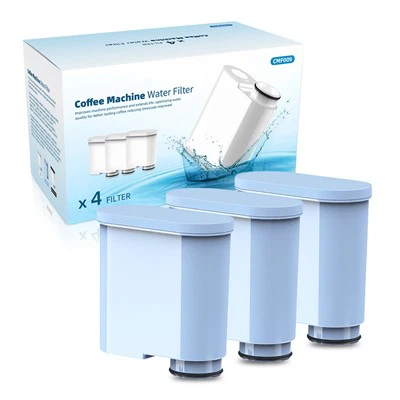
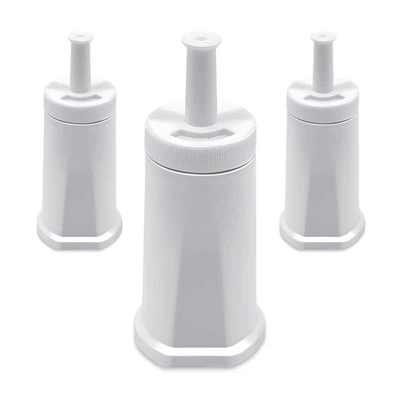
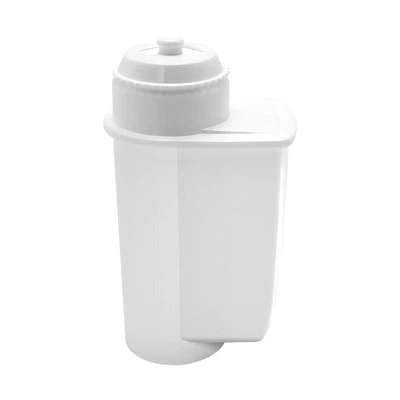
Ultrafiltration water purifiers are essential components of household and commercial water purification systems. Their molding process directly impacts the product's filtration performance, durability, and user experience. This article will explore the core molding processes of ultrafiltration water purifiers from three perspectives: material selection, structural design, and manufacturing process.
In terms of material selection, the core component of an ultrafiltration water purifier is the ultrafiltration membrane, typically made of polymer materials such as polypropylene (PP), polyethersulfone (PES), or polyvinylidene fluoride (PVDF). These materials offer excellent chemical stability and mechanical strength, effectively trapping bacteria, colloids, and macromolecular organic matter in water while ensuring smooth water flow. Furthermore, the outer casing is often made of food-grade ABS plastic or stainless steel to ensure long-term release of harmful substances and withstand pressure and corrosion.
In terms of structural design, ultrafiltration water purifiers must balance filtration efficiency and water flux. Common molding processes include hollow fiber membrane winding, flat sheet membrane stacking, and spiral wound membrane packaging. Hollow fiber membranes are widely used due to their large surface area and high filtration efficiency per unit volume. The molding process requires precise control of the membrane pore size (typically 0.01-0.1 microns), and sealing of the membrane ends using hot melt or epoxy resin sealing techniques to prevent leakage.

Key steps in the manufacturing process include membrane module assembly, pressure testing, and leak-tightness verification. First, the ultrafiltration membrane is secured to the upper and lower end caps via ultrasonic welding or mechanical crimping to ensure structural stability. This is followed by a hydraulic pressure test to simulate the pressure resistance under actual operating conditions. Finally, an airtightness test is performed to eliminate minor leaks. Some high-end products also incorporate UV sterilization modules or activated carbon pretreatment layers to further enhance water quality.
With advances in materials science and precision machining technology, the molding process for ultrafiltration water purifiers is evolving towards greater efficiency and environmental friendliness. Future breakthroughs in intelligent integration and modular design are expected to meet market demand for high-quality drinking water.