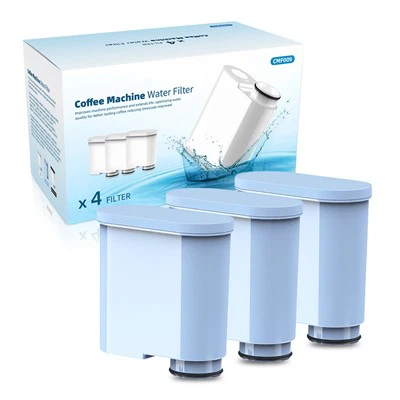
The stable operation and water safety of a 400G Tankless RO Water Filtration System rely on scientific daily maintenance. Regular filter replacement is the core, combined with good usage habits, external cleaning inspections, and attention to the wastewater system. This ensures the system provides a pure water source efficiently and long-lastingly.
I. Core Maintenance: Regular Filter Replacement to Prevent Hazards
Filters are the core consumables of the 400G Tankless RO Water Filtration System and must be replaced promptly upon expiry. Otherwise, clogging and failure can lead to decreased water quality, bacterial growth, turning the purifier into a contaminant source. Strictly adhere to the replacement cycle for each filter:
PP Sediment Filter: Primarily blocks large particles like sediment and rust, most prone to clogging. Replacement cycle is 3-6 months; shorten this time if local water quality is poor.
Pre-Carbon Filter: Responsible for adsorbing residual chlorine and odors. If residual chlorine isn't effectively removed, it can damage the subsequent RO membrane. Replacement cycle is 6-12 months.
RO Membrane: The core filter, most expensive. Its lifespan directly relates to inlet water quality and usage volume. The manufacturer's suggested replacement cycle is 24-36 months. A rise in TDS value and slower water production rate are direct signals for its replacement.
Post-Carbon Filter: Mainly improves drinking water taste. Replacement cycle is 12-18 months. Replace promptly if the water has an odd taste or odor.
Beyond fixed cycles, the following phenomena can help determine if replacement is needed:
Significantly Slower Flow Rate: Under the same water pressure, the output flow rate noticeably slows down, and the time to fill a cup increases substantially, indicating possible pre-filter clogging. Replace promptly to reduce the burden on the RO membrane.
Changed Wastewater Ratio: If the original ratio was 1:1 (pure water:wastewater) and becomes 1:2 or higher, it's likely the RO membrane is clogged or its performance has degraded.
Increased TDS Reading: Use a TDS meter to test the pure water output. If the value is much higher than right after a filter change (e.g., was 10 with a new membrane, now consistently above 50 even after flushing), it indicates decreased RO membrane desalination rate, requiring replacement.
Odd Taste or Astringency: Could indicate post-carbon filter failure or bacterial growth.
Smart Panel Alerts: Most modern 400G Tankless RO systems have smart panel filter change reminders. While convenient, combine these alerts with the above phenomena for judgment, as timers may not accurately reflect actual filter consumption.
II. Daily Usage Habits: Extend Filter Life, Ensure Water Safety
Good usage habits effectively extend filter life, reduce failures, and ensure water safety.
Regular Flushing: Even if not drawing water, briefly run the pure water faucet for a short period daily. This keeps water moving inside the system, preventing stagnant water and bacterial growth, while also flushing the RO membrane surface to reduce contaminant buildup.
Post-Vacation/Non-Use Flushing: If traveling or not using the system for an extended period (e.g., over 3 days), flush the system thoroughly upon return. Open both the pure water and wastewater faucets to flush for 10-15 minutes, expelling potential bacteria and residual water from the lines and filters before using the newly produced pure water.
Intended Use Only: The 400G Tankless RO System is designed for direct drinking and cooking. Avoid using it to draw large volumes of water for washing vegetables, mopping floors, etc. This drastically consumes filter life, offers poor cost-effectiveness, and may cause premature filter failure due to overuse.
Maintain Membrane Moisture: It's recommended to run water through the system daily or every other day to keep the RO membrane moist, further preventing bacterial growth and maintaining filter performance.
III. External Cleaning and Inspection: Timely Problem Detection
Regular external cleaning and inspections can identify potential faults early, preventing minor issues from escalating.
Unit Housing Cleaning: Clean monthly by wiping the external casing with a damp cloth to remove dust buildup. This maintains hygiene and prevents dust from affecting heat dissipation and electrical component operation.
Pipe and Connection Check: Periodically inspect all water connection points for looseness or signs of leakage. If found, tighten connections or replace seals promptly to prevent water waste and equipment damage.
Pressure Tank Check (if equipped): If the system includes a pressure tank, ensure its environment is dry and leak-free. If pure water flow from the tank starts fast then slows significantly after producing a full tank, the tank's internal air pressure might be low. Contact a professional for re-pressurization; do not attempt this yourself to avoid damaging the tank.
IV. Monitoring the Wastewater System: Ensure Normal Operation
The wastewater system is a vital component; pay close attention to its operation.
Secure Wastewater Drain Line: Ensure the wastewater tube is properly and securely inserted into a drain pipe to prevent dislodgement, water spills, and potential damage to the indoor environment or equipment.
Understand Wastewater Ratio: Producing wastewater is normal for RO systems. Newer models typically have higher recovery rates (e.g., a 2:1 ratio - 2 cups pure water, 1 cup wastewater). If the wastewater flow consistently and significantly exceeds the pure water flow, it may indicate filter clogging or other malfunctions, requiring prompt maintenance checks.
Summary
Maintaining a 400G Tankless RO Water Filtration System can be summarized as: "Replace pre-filters promptly to protect the core; flush regularly to prevent bacteria; inspect often and stay vigilant; ensure healthy drinking water is reliable." Following these maintenance techniques will extend the lifespan of both the system and its filters, ensuring every drop of water is safe and pure, safeguarding your family's drinking water health.
We are a specialized Chinese manufacturer of Stand Reverse Osmosis Water Purifiers, offering discount benefits for wholesale purchases. Whether you require large-volume order production, small-batch in-stock purchases, we can provide tailored adaptation services; meanwhile, customization needs are also accommodated-such as special packaging, specific performance indicators, and more, all of which can be customized according to your requirements. Our Stand Reverse Osmosis Water Purifiers, with highly competitive prices and stable, reliable quality, have successfully become the priority choice for global buyers during their procurement process.