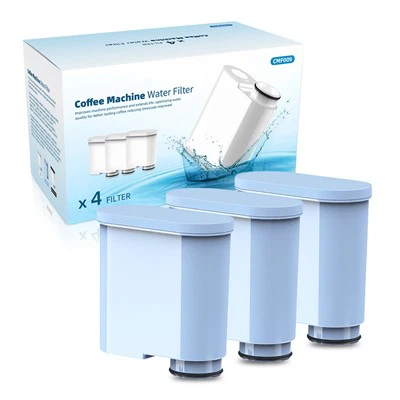
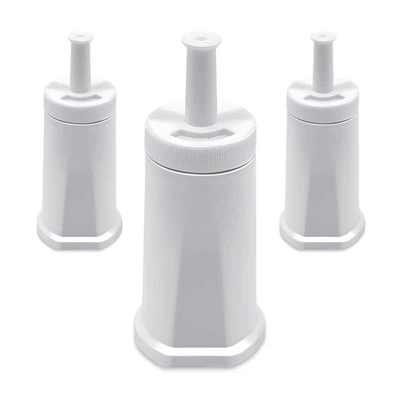
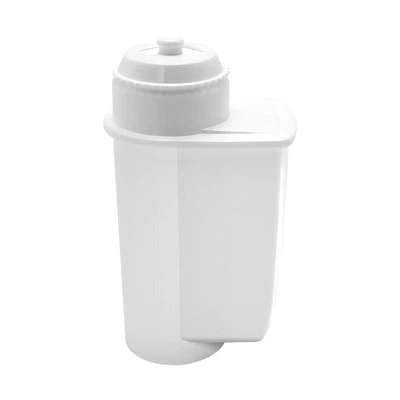
Find the Right Replacement: Your Definitive Compatibility & Filtration Capacity Guide
Part 1: The Non-Negotiable – Mastering Physical & Functional Compatibility
Compatibility is the foundation of selecting any replacement part. If a part doesn't fit or connect properly, nothing else matters. It's not just about size; it's about seamless integration with existing equipment and processes. Key factors to check for compatibility include model numbers & specifications – the first and most critical step, which requires cross-referencing the OEM model number of both the equipment and the original part, rather than relying on generic descriptions; physical dimensions, where measuring twice and ordering once is essential – checking diameter, length, height, and thread size (if applicable), as a difference of a few millimeters can mean the difference between a perfect fit and a useless part; connection type, which involves confirming how the part connects (bayonet mount, screw-on thread, snap-in clip, electronic port, etc.) to ensure the mechanism matches exactly; and material compatibility, verifying that the replacement part's material will interact safely with the substances it will encounter – for example, using the wrong polymer in chemical filtration can lead to degradation and failure. An actionable checklist for compatibility includes confirming the exact OEM model numbers for equipment and the original part, verifying physical dimensions against manufacturer's specifications, confirming the connection type and interface, and checking material suitability for the specific application.
Part 2: Ensuring Peak Performance – Understanding Filtration Capacity & Efficiency
Once physical compatibility is confirmed, it's essential to ensure the part performs to the required standard. For filters and many other components, this revolves around capacity and efficiency – terms often used interchangeably but with distinct meanings. Filtration Capacity (or Dirt Holding Capacity) refers to how much contaminant a filter can hold before needing replacement, acting like the "fuel tank" of the filter; a higher capacity means longer service life, less frequent changes, and reduced long-term maintenance costs – for example, a high-capacity air filter in a workshop may last 12 months, while a low-capacity one might need replacing every 3 months. Filtration Efficiency measures how well the filter captures contaminants of a specific size, usually expressed as a percentage (e.g., 99.97% efficient at 0.3 microns), which is critical for applications requiring extreme purity, such as pharmaceutical manufacturing or cleanrooms – a HEPA filter, for instance, is defined by its high efficiency (99.97% at 0.3 µm), not necessarily its capacity. Choosing the right balance between capacity and efficiency depends entirely on operational priorities: for minimizing maintenance & downtime, prioritize High Capacity by selecting filters with a larger surface area or media designed to hold more contaminant; for achieving maximum purity/quality, prioritize High Efficiency by ensuring the micron rating and efficiency percentage meet strict quality standards; for optimizing Total Cost of Ownership, find the Optimal Balance, as a slightly less efficient but much higher-capacity filter may provide the best value over time. A key metric to understand is the Micron Rating (µm), where a micron (micrometer) is one-millionth of a meter – the micron rating indicates the size of the smallest particles a filter is designed to trap. A general rule is that a lower micron rating (e.g., 1µm) captures smaller particles but may clog faster (lower capacity), while a higher rating (e.g., 25µm) allows smaller particles to pass through but typically has a higher dirt-holding capacity.
Putting It All Together: A Step-by-Step Selection Process
A simple workflow should be followed for every replacement purchase: first, Identify by noting down the exact OEM model number and equipment details; second, Define Needs by determining the primary goal – whether it's longer lifespan (capacity) or superior results (efficiency); third, Research by using OEM numbers to find compatible parts and then comparing technical specs for capacity (e.g., dust holding capacity in grams) and efficiency (micron rating, efficiency percentage); fourth, Verify by consulting with suppliers or technical datasheets and asking direct questions about compatibility with specific equipment models and certified efficiency and capacity; fifth, Decide by weighing the options based on budget and the operational priorities defined in the second step.
Conclusion: Empower Your Business with Informed Choices
Smart procurement is a competitive advantage for any business. By systematically evaluating both compatibility and filtration capacity, businesses move from making reactive, guesswork purchases to proactive, strategic decisions. This protects valuable equipment, ensures consistent output quality, and ultimately saves significant time and money. Don't just find a replacement – find the right one. To streamline the procurement process, bookmark this guide and share it with the team to ensure everyone makes confident, cost-effective decisions.