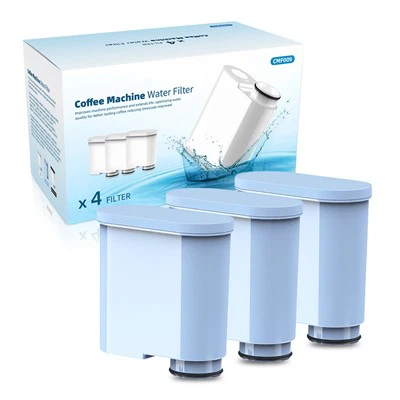
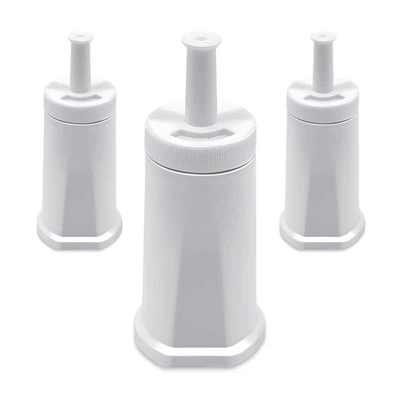
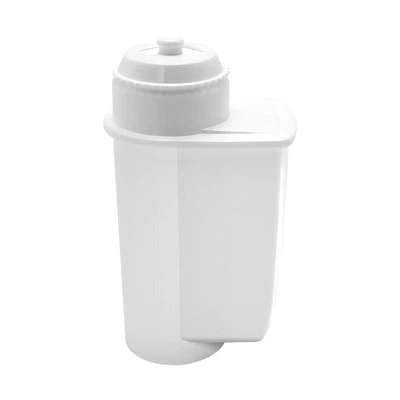
For any small or medium-sized business, delivering clean, delicious water is more than just a benefit; it's an essential component of sustaining a healthy, productive workplace. From the breakroom coffee machine to the central water cooler, these systems rely on a single crucial component: the water filter. However, supervising filter replacements frequently slips into the "out of sight, out of mind" category. What was the result? Inconsistent water quality, possible damage to pricey appliances, and unexpected costs.
Why Consistent Filter Changes Are Not Negotiable for Your Business
First, let's clarify what's at stake. A used filter does not just stop operating; it becomes a liability. A filter's principal function is to protect employee health by removing impurities like as chlorine, lead, silt, and germs. An overused filter can become saturated, losing efficacy and potentially allowing harmful materials through. Furthermore, sediment and scale building can clog and harm sensitive equipment such as industrial ice makers, espresso machines, and water dispensers, so changing the filter on a regular basis is significantly less expensive than repairing them. Stale filters can also make water taste or smell "off," inhibiting your staff from staying hydrated, which has been linked to better focus and cognitive performance. Finally, preventive maintenance is always less expensive than reactive repairs; maintaining your appliances and ensuring efficient filter operation saves you money in the long run.
The Hassle-Free Usage Guide: Increasing Filter Performance
Proper usage begins before you install the new filter, and following these steps will ensure peak performance from the start. First, determine the appropriate filter model-this is the most important step, since utilising the incorrect filter might result in leaks, inadequate filtration, or equipment damage. To discover the appropriate fit, check your appliance's user manual for compatible filter models, look at the old filter (the model number is almost always printed directly on its housing), or visit the manufacturer's website with your appliance's make and model number. Second, prime and prepare the filter if necessary; many filters, particularly carbon block models, require priming, which entails flushing water through the filter to remove air bubbles and carbon dust. After installation, run water through the system for at least 5-10 minutes as directed to prevent sputtering and ensure clear, clean water from the start. Third, perform a quality check; after installation and priming, pour a glass of water and check for clarity and taste, noting that a minor presence of carbon particles is typical but should clear fast.
The Ultimate Maintenance Plan for Busy Businesses
The key to being "hassle-free" is to eliminate guesswork-don't wait for the water to trickle or taste foul; instead, be proactive. First, follow the time/gallonage rule: filter lifespan is commonly measured in months or gallons, whichever comes first. Most under-sink and pitcher filters last 6 months, whereas heavy-use commercial dispensers may need to be replaced every 3-4 months. You should monitor usage (a 10-person office may go through filters much faster than a 5-person office) and adjust appropriately. Second, implement a visual tracking system, which is a game changer for operational efficiency: place a simple sticker or log sheet near the appliance with columns for "Date Installed" and "Next Due Date," use shared office calendars (such as Google Calendar or Outlook) to set automatic reminders for the entire team or the person in charge of facilities, or, for larger SMEs, use task management tools such as Asana or Trello to create recurring filter checks. Third, establish a dependable supply chain-running out of filters defeats the purpose of a schedule, so buy multi-packs for a better deal or use subscription services offered by many suppliers that automatically deliver new filters at your preferred interval (e.g., every 6 months), which is the pinnacle of hassle-free maintenance.
Troubleshooting Common Problems: A Quick Guide
Even with the greatest planning, little complications might develop, and here's how to deal with them: if you notice slow water flow, the filter is most likely ready for a change, so replace it right away. If the water tastes or smells funny, check the replacement date-if it's recent, you may not have primed it sufficiently, so flush the system with another gallon of water. If there are any leaks around the filter housing, switch off the water supply, check that the filter is securely seated and that the O-ring (the rubber gasket) is not broken, and then re-tighten by hand-do not overtighten.
Conclusion: Make Pure Water an Automatic Part of Your Business.
Managing new water filters does not necessitate a dedicated team or a large budget; instead, it necessitates a straightforward, systematic strategy. By selecting the appropriate model, adhering to a proactive maintenance schedule, and utilising modern options such as subscription services, you can ensure that clean, safe, and delicious water is one less thing to worry about. Investing minimum effort on this critical maintenance work results in improved employee well-being, protected assets, and more efficient operations. Make the transition to a really hassle-free water filtering strategy today.