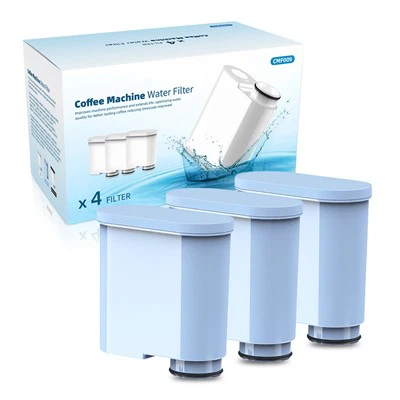
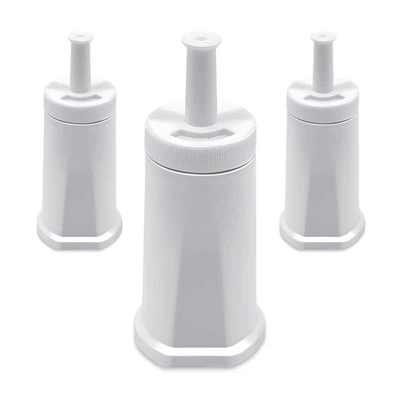
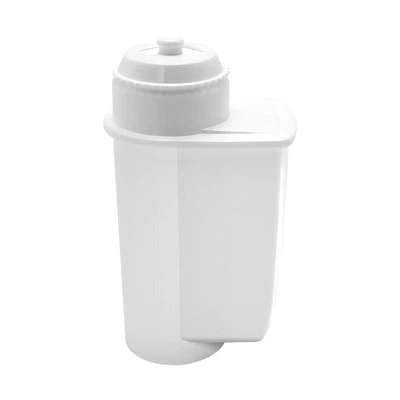
High-Efficiency Replacement Filters: Remove Impurities & Ensure Water Safety
Business owners and operations managers juggle numerous responsibilities. Water quality may not be a top priority until it becomes a problem. Contaminated water can lead to equipment damage, product inconsistency, and even health risks for employees and customers.
The first line of defense lies in water filtration systems, and the heart of such systems is the replacement filter.
This article goes beyond the basics of replacing an old cartridge. It explores how high-efficiency replacement filters are a non-negotiable investment in a business's safety, efficiency, and bottom line.
Why Water Purity is a Business-Critical Issue
Before delving into the details of filters, it's essential to understand the significance of water purity for businesses:
Equipment Longevity: Scale, sediment, and rust can clog pipes and damage expensive equipment such as boilers, coffee machines, and ice makers. The cost of repairs or replacements far exceeds the expense of consistent filtration.
Product Quality & Consistency: Whether brewing coffee, manufacturing products, or serving food, inconsistent water quality directly impacts the final output. Impurities can alter taste, appearance, and chemical processes.
Health & Safety Compliance: Businesses are responsible for providing safe, potable water. A failure in the filtration system could lead to compliance issues and damage brand reputation.
Operational Efficiency: Clean water systems operate more efficiently, reducing energy consumption and minimizing downtime for maintenance.
What Are High-Efficiency Replacement Filters?
Not all filters are equivalent. A standard filter may capture visible sediment, but a high-efficiency replacement filter is engineered to remove specific impurities at a superior level.
These filters utilize advanced media and construction-such as pleated surfaces, carbon block technology, or specialized resins-to maximize contaminant removal while maintaining optimal water flow.
Key Impurities They Remove:
1. Sediment & Particulates: Rust, sand, and dirt that cause abrasion and clogging. High-efficiency sediment filters often feature pleated designs for larger surface areas, capturing more particles without sacrificing pressure.
2. Chlorine & Bad Tastes/Odors: Activated carbon filters are exceptionally effective at adsorbing chlorine, chloramines, and volatile organic compounds (VOCs), dramatically improving water smell and taste.
3. Scale-Forming Minerals: For businesses in hard water areas, scale is a major concern. Scale inhibition filters or pre-treatment systems prevent calcium and magnesium buildup, protecting heating elements from damage.
4. Microbiological Contaminants: While standard filters are not microbiological purifiers, some high-efficiency carbon block filters can reduce cysts like Giardia and Cryptosporidium when rated at one micron or less.
The Tangible Benefits of "High-Efficiency"
Choosing high-quality replacement filters over generic alternatives delivers clear returns:
Longer Filter Lifespan: Higher capacity means fewer change-outs, reducing long-term costs and maintenance labor requirements.
Superior Contaminant Removal: Achieves higher purity levels, ensuring water meets the strict standards required for specific applications.
Maintained Water Pressure: Efficient designs ensure excellent filtration without compromising water flow, keeping operations running smoothly.
Cost Savings: Prevents expensive equipment repairs, reduces energy bills from scaled-up appliances, and avoids hidden costs of product spoilage.
A Practical Guide to Choosing the Right Replacement Filter
For junior marketers or procurement staff, the following checklist ensures informed decision-making:
1. Know Your System: Check the manufacturer and model number of the current filtration housing. This is the most critical step to ensure compatibility.
2. Identify Your Contaminants: Understand local water reports or the primary impurity to address (e.g., sediment, chlorine, scale). Match filter technology to the specific problem.
3. Check the Micron Rating: This indicates the size of particles a filter can capture. A lower number (e.g., 1 micron) captures smaller particles than a higher one (e.g., 5 or 10 microns).
4. Look for Certifications: Independent certifications from organizations like NSF International are the best guarantee that a filter performs as advertised. Look for NSF/ANSI standards relevant to specific needs (e.g., Standard 42 for aesthetic effects, Standard 53 for health contaminants).
5. Don't Just Choose the Cheapest Option: A slightly more expensive, certified, high-capacity filter almost always provides better value and protection than a cheap, uncertified alternative.
Conclusion: An Investment in Peace of Mind
A water filtration system is only as effective as its filter. Neglecting this crucial component puts assets, products, and personnel at risk.
Investing in high-efficiency replacement filters is not just purchasing a consumable part. It is a strategic decision to protect business infrastructure, ensure consistent quality, and uphold commitments to safety.