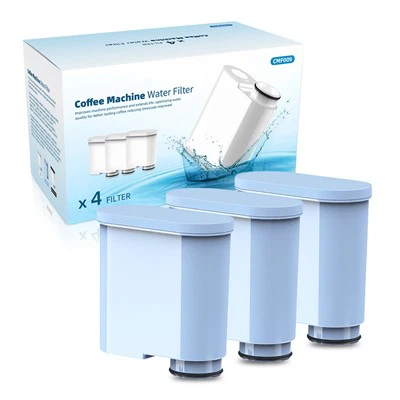
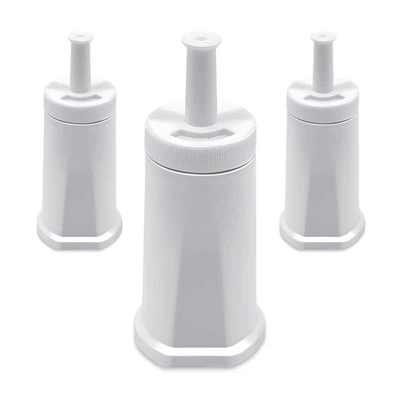
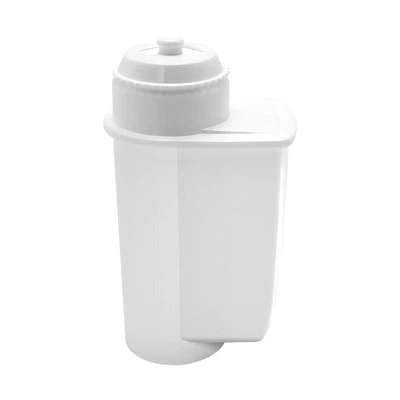
When it comes to water filtration, balancing quality with cost-efficiency is key. Clean, safe water-whether for daily use, beverage preparation, or personal care-is non-negotiable. But the true cornerstone of an effective water filtration system lies in its replacement filter, where this balance is truly achieved.
Not all filters are created equal. Investing in long-lasting replacement filters engineered for superior chlorine and heavy metal removal isn't just a maintenance task; it's a smart choice for anyone prioritizing clean water.
The Unseen Threats in Your Tap Water
Before we dive into the solution, it's crucial to understand the problem. Municipal water treatment does a great job at making water safe from pathogens, but it often leaves behind two pervasive categories of contaminants:
1. Chlorine: Used to disinfect water, chlorine can impart an unpleasant taste and odor. More critically, it can alter the taste of coffee, tea, and other sensitive beverages or foods prepared with tap water.
2. Heavy Metals: These include lead (from aging pipes), mercury, cadmium, and arsenic. They are toxic even at low levels and pose significant health risks, making their removal a top priority.
Providing water that merely "looks" clean is no longer enough. Today's consumers are more informed and expect a higher standard of safety and quality from their water.
What Makes a Filter "Superior" for Contaminant Removal?
A standard carbon filter might reduce some chlorine taste, but a high-performance, long-lasting filter is defined by its advanced technology and robust construction. Key features to look for include:
High-Grade Activated Carbon: Look for catalytic coconut shell carbon, which has a massive surface area and is highly effective at adsorbing chlorine, chloramines, and VOCs.
Specialized Filter Media: The best filters incorporate additional media specifically designed to target heavy metals. KDF (Kinetic Degradation Fluxion) is a powerful example, using a redox reaction to remove chlorine, lead, mercury, and other soluble metals.
Multi-Stage Filtration: A single layer of carbon isn't enough. Superior filters often use a multi-stage process-for instance, a sediment pre-filter, a KDF layer, and a fine carbon block-to ensure comprehensive contaminant reduction.
Independent Certification: Always verify that the filter is independently tested and certified by organizations like NSF International against standards such as NSF/ANSI 42 (Aesthetic Effects) and NSF/ANSI 53 (Health Effects) for the specific contaminants you're concerned about.
The Benefits of Investing in Long-Lasting Filters
Why prioritize the longevity of your filter? The advantages extend far beyond just pure water.
1. Enhanced Efficiency & Reduced Total Cost of Ownership
Frequent filter changes mean unnecessary hassle. Someone has to order the filter, schedule the maintenance, and perform the swap. A long-lasting filter (e.g., one that lasts 6 or 12 months instead of 3) cuts these tasks by 50-75%. This translates directly into:
Less time spent on maintenance.
Fewer inventory items to manage and store.
A lower Total Cost of Ownership (TCO) over the life of your filtration system.
2. Uncompromising Consistency in Water Quality
For anyone who uses filtered water for beverages, cooking, or personal care, consistency matters. Fluctuations in water quality caused by a degrading filter can lead to inconsistent taste, odor, or performance. A long-lasting, high-performance filter maintains peak performance throughout its lifecycle, ensuring that every glass of water or batch of beverage is consistently clean and great-tasting.
3. A Simple Way to Prioritize Health & Well-Being
Clean water is a fundamental part of a healthy lifestyle. By choosing a filter that effectively removes chlorine and heavy metals, you're taking a proactive step to safeguard your health and the health of those around you. This commitment to quality is a tangible way to prioritize well-being in daily life.
4. Mitigated Risk of Contaminant Exposure
By proactively removing harmful contaminants like lead, you're reducing the risk of long-term health issues associated with exposure. This proactive approach provides peace of mind, knowing that your water is free from potentially toxic substances.
Actionable Tips for Choosing Your Next Replacement Filter
Here's a simple checklist to help you select the right replacement filter:
1. Identify Your Contaminants: Check your local water quality report or use a home test kit to identify the primary concerns (e.g., high chlorine, risk of lead).
2. Verify Certifications: Don't just take marketing claims at face value. Look for the NSF certification seal and check which specific contaminants (e.g., Lead, Cyst Reduction, Chloramine) the filter is certified to reduce.
3. Calculate Cost-Per-Gallon: Divide the filter's price by its rated gallon capacity. A slightly more expensive filter that lasts twice as long often has a significantly lower cost-per-gallon.
4. Ensure Compatibility: Double-check that the filter model is compatible with your existing housing unit to avoid costly installation errors.
Conclusion: An Investment in Purity and Convenience
Upgrading to long-lasting replacement filters designed for superior chlorine and heavy metal removal is a clear win-win. It's a smart choice that reduces long-term costs, simplifies maintenance, and ensures consistent, safe water for all your needs.
In a world where quality matters, don't let something as fundamental as your water quality be an afterthought. Make the strategic choice for purity, consistency, and peace of mind.