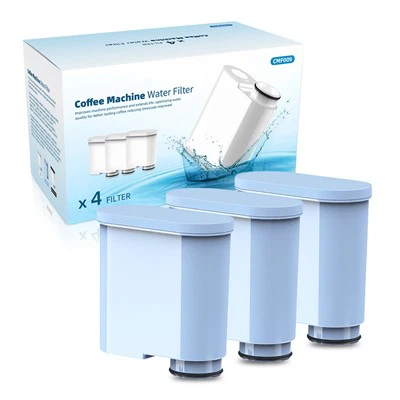
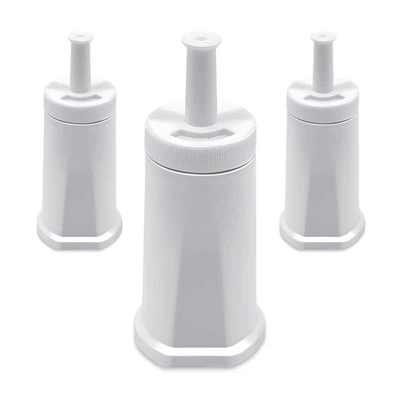
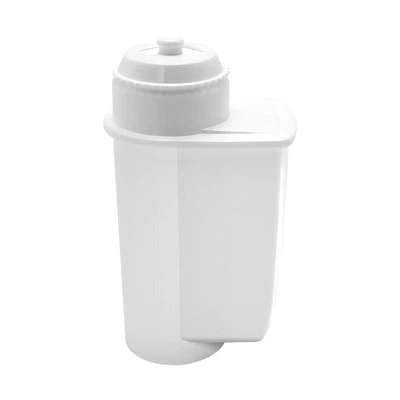
Quick-Change Water Filters: Save Time While Keeping Water Healthy
Balancing Efficiency and Well-being
Business leaders constantly balance two critical resources: time and well-being. Efficient operations are essential for profitability, while ensuring a safe, healthy environment for employees and customers remains a core responsibility. This balance is often tested with something as fundamental as water. Traditional water filtration systems can be cumbersome, requiring messy changes and costly maintenance calls. The solution lies in quick-change water filters-a strategic operational upgrade that delivers significant returns by saving time while safeguarding water quality without compromise.
Understanding Quick-Change Water Filters
Quick-change water filters are filtration systems engineered for user-friendly installation and replacement. Featuring intuitive push-to-connect or bayonet-style designs, they eliminate the need for tools, plumbing expertise, or dealing with spills. The process becomes so simple that any staff member can be trained to perform a swap in minutes, reducing system downtime and eliminating reliance on specialized service technicians.
The Business Case: Benefits Beyond Speed
While the name highlights efficiency, the advantages of quick-change systems extend throughout business operations.
Reduced Maintenance Time and Cost
Scheduling a technician for a filter change incurs significant labor and potential travel fees. With a quick-change system, this task becomes a brief, in-house routine performed by any employee, translating directly into lower operational costs and less disruption.
Uninterrupted Access to Clean Water
A clogged or expired filter can reduce water flow and quality. The simplicity of quick-change systems encourages proactive, timely replacements, ensuring consistent access to high-quality water without waiting for service appointments.
Consistent Water Quality
Older filters lose effectiveness, allowing contaminants to pass through and leading to inconsistent taste and safety. Easy replacements help maintain a strict schedule, guaranteeing reliable, great-tasting water year-round.
Simplified Operations and Team Empowerment
This task can be confidently delegated. Minimal training empowers a team member to manage the filter schedule, fostering ownership and streamlining facility management procedures.
The Foundation: Health and Performance
Convenience must be paired with performance. The primary function of any filter is health protection. High-quality quick-change filters are designed to meet rigorous standards, effectively reducing common contaminants: chlorine and sediments for better taste and appliance protection; lead and heavy metals to prevent harmful exposure; microbiological cysts like Giardia; and industrial chemicals or VOCs. Choosing a system with independent certifications (such as NSF/ANSI standards) provides assurance of both effortless maintenance and proven contaminant reduction.
Selecting the Right Quick-Change System
A tailored approach ensures the best fit for specific business needs.
Identify Target Contaminants
A water quality report or test kit determines the necessary filtration technology (e.g., carbon block, reverse osmosis).
Verify Third-Party Certifications
Look for marks like NSF/ANSI 42 (for aesthetics) and NSF/ANSI 53 (for health contaminants) as a reliable guarantee of performance.
Assess Water Demand
Match the system's flow rate and capacity to daily usage patterns to avoid pressure drops and ensure adequate supply.
Calculate Total Cost of Ownership
Consider the lifespan and price of replacement cartridges. A longer-lasting filter often offers better long-term value than a cheaper, frequent-replacement option.
A Clear Investment for Smarter Operations
Quick-change water filters represent a clear strategic investment, directly addressing key business challenges: cost control, operational efficiency, and a commitment to health. The equation is simple: effortless maintenance combined with guaranteed performance leads to a smarter, healthier business. Upgrading to a quick-change system allows organizations to stop dedicating excessive resources to a mundane task and instead reinvest the saved time and capital into core growth activities.