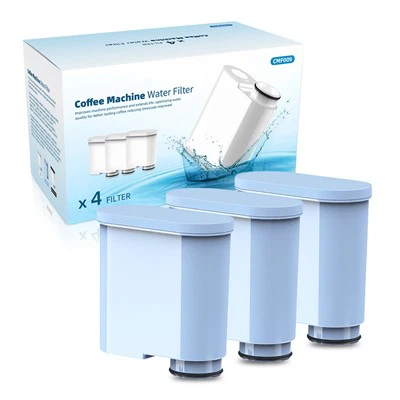
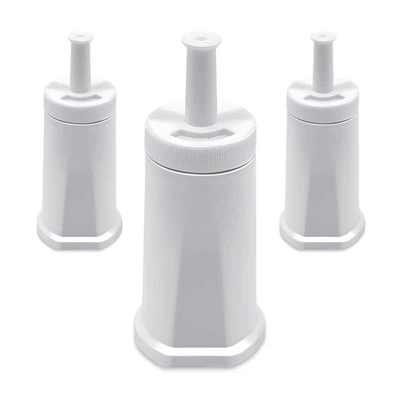
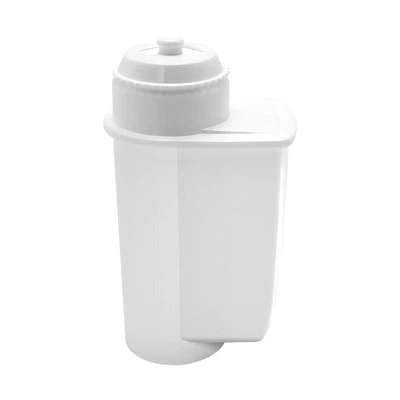
The filtration system is frequently highlighted in the context of water purification. But the real protector of your water quality is a part that operates in the background: the water filter cartridge replacement. This consumable is the lifeblood of any filtration system and is frequently disregarded until performance deteriorates. Its two main goals are to improve the taste and odour of drinking water and to lessen dangerous contaminants.
The Science of the Cartridge: The Reduction of Impurities
A water filter cartridge is an advanced media composite made to target particular pollutants. Its efficacy is limited by time and capacity.
Adsorption & Physical Trapping: A common component of many cartridges, activated carbon uses a wide network of pores to adsorb (attract and retain) substances that produce unpleasant tastes and odours, organic compounds, chlorine, and chloramines. At the same time, silt, sand, and rust are physically trapped by sediment filters, which are frequently composed of polypropylene.
Ion Exchange & Mechanical Filtration: Certain cartridges use ion-exchange resins to remove heavy metals like lead and hardness minerals. Others mechanically prevent small particles and germs using ultra-fine membranes.
The Capacity Limit: The pollutant removal capacity of each cartridge is specified and expressed in gallons or litres. The media becomes saturated as soon as this capacity is approached. A clogged sediment filter significantly limits water flow, and a saturated carbon block can no longer efficiently absorb pollutants.
The Clear Connection to Better Water Taste and Odour
The taste of the water is significantly improved, which is the most obvious sensory advantage of a new filter cartridge. This is mostly accomplished by eliminating particular agents:
1. Chlorine and chloramines: These disinfectants give municipal water treatment a unique chemical or "swimming pool" taste and odour. They are successfully removed by a new carbon filter, exposing the pristine, natural profile of the water.
2. Earthy, musty, or medicinal off-tastes can be caused by volatile organic compounds (VOCs) and geosmin. Modern cartridges are made to lessen them, guaranteeing water that tastes neutral and pleasant.
3. Metallic Tastes: Water may taste metallic due to dissolved metals from pipes, such as copper, manganese, or iron. By focussing on these ions, certain filtration media remove the taste that goes along with them.
The very problems the filter was designed to address gradually reappear as a result of a cartridge's diminished capacity to eliminate these taste and odor-affecting impurities.
Delays in Replacement's Effects: Beyond Unfavourable Taste
The consequences of not changing a water filter cartridge on schedule go well beyond personal preference:
Decreased Contaminant Removal: This compromises the primary safety function. Contaminants like lead, pesticides, cysts, or chlorine byproducts may be able to flow through saturated or blocked cartridges, putting users' health at risk.
Bacterial Growth & "Sloughing": Bacteria can grow and proliferate in an old, damp cartridge. The trapped organic debris may occasionally promote the formation of biofilms. Additionally, an overloaded cartridge may start to peel off, returning previously held contaminants-sometimes at higher concentrations-to the water stream.
System Performance & Damage: In RO systems, a blocked cartridge raises the water pressure differential across the filter, taxing the system's pump and lowering the water flow rate to an annoying trickle. Other system components may fail too soon as a result of this.
Increased Long-Term Costs: Ignoring a $30 cartridge might result in a $300 pump repair or the total failure of an appliance (such as an ice maker in a refrigerator), which is an example of poor environmental and financial stewardship.
Best Practices in the Industry: Advice for Customers and Companies
Clear communication and education are essential for the sector to establish trust and provide the best possible results for consumers.
Regarding Customers:
Observe Manufacturer Recommendations: Comply with the suggested replacement interval (e.g., every six months) or capacity. Take into account the local water conditions; more frequent changes can be necessary for harder or more contaminated water.
The indicator light (on smart systems), a discernible discolouration of the filter housing, a change in taste or odour, or a substantially slower water flow are all indicators that a cartridge is exhausted.
Select Genuine or Certified Compatibles: To guarantee fit and performance, use cartridges made specifically for your model. NSF/ANSI certifications offer independent confirmation of a cartridge's claims, such as Standard 42 for taste/odor and 53 for health contaminants.
Conclusion: Investing in Well-Being and Contentment
The replaceable water filter cartridge is the pure water's renewable engine, not just an add-on. It is essential for lowering a variety of contaminants and continuously enhancing the flavour of water. Promoting prompt replacement is important to the industry because it protects consumer safety, brand reputation, and product efficacy. It is a straightforward, preventative measure that ensures the pure, refreshing taste of clean water every day, protects appliances, and protects the end-user's health. Theory meets practice when it comes to remembering to change the filter in the quest for genuinely pure water.