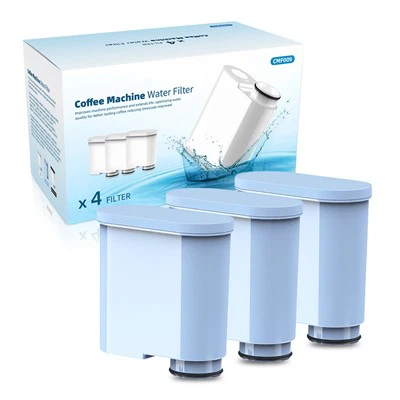
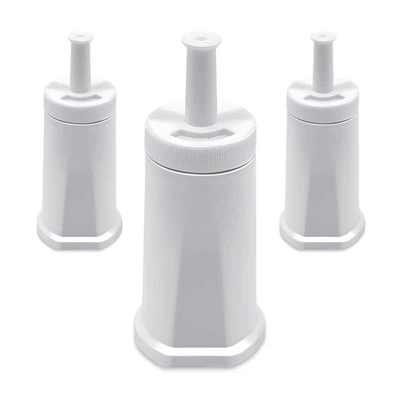
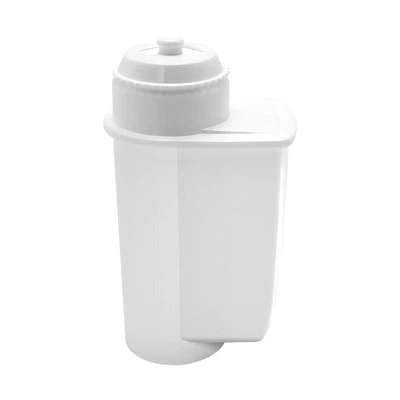
The Core Mechanism: How Replacement Water Filters Work Their Magic
A fresh water filter is a multi-stage defense system rather than a single technology. The primary filtration methods working inside most commercial-grade filters include mechanical filtration, activated carbon filtration, and ion exchange. Mechanical filtration is the first line of defense, using a physical barrier typically made of spun polypropylene or pleated fabric to trap suspended solids like silt, sand, and rust-this step protects subsequent, finer stages of filtration from premature clogging. Activated carbon filtration is the champion for taste and odor removal; activated carbon is a highly porous material with a massive surface area, and as water passes through, chemical contaminants like chlorine, chloramines, and volatile organic compounds (VOCs) bond to the surface of the carbon particles via adsorption, effectively removing them and eliminating chemical aftertaste and smell for fresher, cleaner-tasting water. Ion exchange, common in filters targeting "hard water," uses resin beads to swap unwanted mineral ions (like calcium and magnesium) for more desirable ones (like sodium or potassium), significantly reducing limescale, protecting plumbing and appliances from damage, and improving their lifespan and efficiency.
The Direct Benefits: More Than Just "Better Tasting Water"
Investing in timely water filter replacements delivers clear, measurable returns for any business. Enhanced hydration and employee well-being is a key benefit-when water tastes good, people drink more of it, and proper hydration is directly linked to improved cognitive function, higher energy levels, and reduced fatigue, making clean, great-tasting water an investment in team health and focus. Superior beverage quality is another advantage; water quality is the foundation of any hot or cold beverage, and chlorine-free water allows the true flavor of coffee and tea to shine through, enhancing breakroom experiences and being non-negotiable for product quality in restaurants and cafes. Protection of valuable equipment is also significant, as scale and sediment buildup are silent killers of appliances-using a functioning filter prevents costly repairs and early replacements of items like coffee machines, ice makers, dishwashers, and steam ovens, translating directly into reduced operational costs and less downtime. Additionally, cost-efficiency and sustainability are achieved by providing filtered tap water, which is exponentially cheaper than continuously purchasing single-use plastic bottles, while also positioning a company as environmentally conscious by reducing plastic waste and corporate carbon footprint.
A Practical Guide to Choosing & Changing Filters
Understanding the benefits of replacement water filters is one thing; implementing a system is another, and a quick action plan can simplify the process. First, identify the current filter system by checking under-sink, refrigerator, or point-of-use dispensers for a model number-common systems include Everpure, Multipure, Culligan, or standard 10-inch housings. Second, know the relevant certification by looking for filters certified by independent bodies like NSF International; an NSF certification (e.g., NSF/ANSI 42 for aesthetics/taste, NSF/ANSI 53 for health contaminants) guarantees the filter performs as advertised. Third, stick to a replacement schedule and avoid waiting for taste changes-follow the manufacturer's recommended schedule, usually based on gallons filtered or months of use (e.g., every 6 months), and set calendar reminders to ensure consistency.