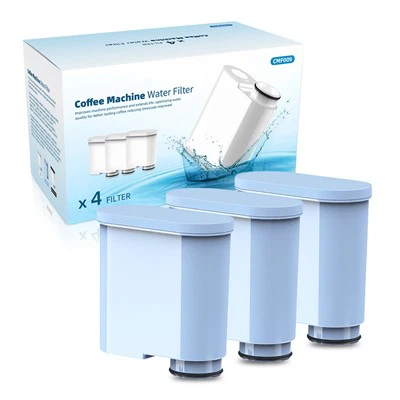
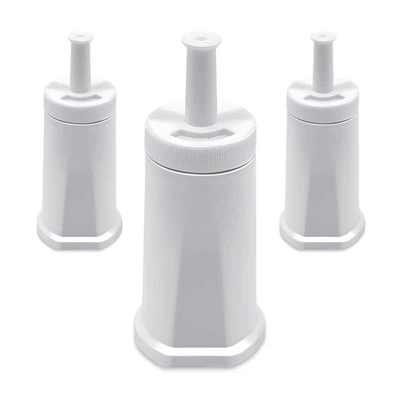
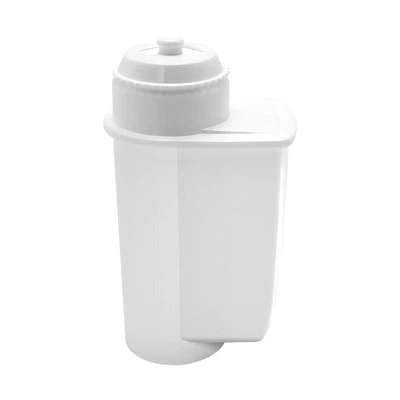
Water filters are essential for ensuring drinking water safety in modern homes and offices. Their proper selection and use are directly related to improving water quality. With the increasing prevalence of water pollution, understanding the types, working principles, and maintenance of water filters has become an essential skill for modern living.
Common Types of Water Filters
Currently, mainstream water filters on the market can be categorized as follows:
Activated carbon water filters: These filters remove chlorine, odors, and some organic pollutants from water through the adsorption action of activated carbon. They are suitable for improving the taste of water, but their effectiveness against heavy metals and microorganisms is limited.
Reverse osmosis (RO) water filters: These filters use a semipermeable membrane to filter water molecules under high pressure, effectively removing small contaminants such as heavy metals, bacteria, and viruses. While offering high filtration accuracy, they also result in the loss of some minerals and require regular filter cartridge replacement.
Ultrafiltration (UF) water filters: These filters use an ultrafiltration membrane to remove large particles such as suspended solids and bacteria, while retaining some minerals. They are suitable for areas with better water quality.
Ceramic water filters: Utilize porous ceramics to filter impurities, are re-cleanable, and are economical and durable, but their filtration accuracy is lower than reverse osmosis and ultrafiltration.
How to Use a Water Filter Correctly
Installation and Commissioning: Depending on the type of water filter, install it correctly according to the instructions. Drain the initial filtered water upon initial use to remove any carbon dust or impurities.
Regularly Replace Filter Cartridges: The lifespan of different filter cartridges varies. Typically, activated carbon filters need to be replaced every 6-12 months, reverse osmosis membranes every 2-3 years, and ultrafiltration membranes every 1-2 years. Neglecting replacement can lead to decreased filtration efficiency and even secondary contamination.
Maintenance and Cleaning: Regularly inspect all parts of the water filter. Any leaks or a significant decrease in filtration speed should be promptly repaired. Ceramic water filters can be removed and cleaned with a soft brush, but avoid excessive force to damage the filter.
Water Quality Testing: After extended use, it is recommended to regularly test the filtered water to ensure the filter is still effectively removing contaminants.
The selection and use of a water filter should be considered based on local water quality and personal needs. Choosing the right filter and maintaining it effectively ensures the safety and health of your drinking water. In today's increasingly polluted world, proper use of a water filter is not only a safeguard for your personal health, but also a responsible approach to water resources.