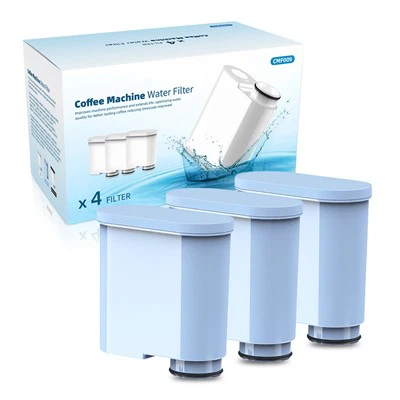
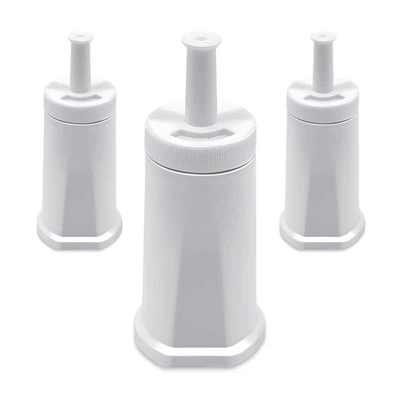
Water treatment equipment plays a vital role in modern society. Its core function is to remove impurities, pollutants, and harmful substances from water through physical, chemical, or biological methods, thereby providing safe and clean drinking water. With the acceleration of industrialization and the intensification of environmental pollution, the importance of water treatment equipment has become increasingly prominent. Its effectiveness not only protects human health but also has a profound impact on industrial production, environmental protection, and sustainable development.
1. Improving Water Quality and Ensuring Drinking Water Safety
The most direct function of water treatment equipment is to improve water quality and ensure the safety of drinking water. Water plants typically use processes such as sedimentation, filtration, and disinfection to remove harmful substances such as suspended solids, bacteria, viruses, and heavy metals from water. Home water purifiers use technologies such as activated carbon adsorption and reverse osmosis (RO) membrane filtration to further remove residual chlorine, organic matter, and fine particles, resulting in even purer drinking water. These devices effectively reduce the risk of diseases caused by water quality issues, such as diarrhea and heavy metal poisoning, and are of great significance to public health.
2. Protecting Industrial Equipment and Improving Production Efficiency
Water treatment equipment also plays a critical role in the industrial sector. Untreated water contains a large amount of minerals and impurities. Long-term use can lead to scaling in pipes, corrosion in equipment, and decreased efficiency. For example, boiler water containing high concentrations of calcium and magnesium ions can easily form scale, reduce heat transfer efficiency, and even pose an explosion risk. Water softening equipment and ion exchange resins can remove hardness ions from water, extending equipment life and reducing maintenance costs. Furthermore, industries such as electronics and pharmaceuticals have extremely high water quality requirements. Ultrapure water equipment can provide water virtually free of impurities, meeting the demands of precision manufacturing.
3. Reducing Environmental Pollution and Promoting Ecological Balance
Water treatment equipment not only serves human water needs but also plays a vital role in environmental protection. Sewage treatment plants use biodegradation, chemical precipitation, and membrane separation technologies to remove organic pollutants, nitrogen and phosphorus nutrients, and toxic substances from wastewater, preventing eutrophication and ecological damage. Advanced membrane bioreactor (MBR) and reverse osmosis technologies can even purify wastewater to a level suitable for reuse in agricultural irrigation, industrial cooling, or urban landscape applications, significantly reducing water waste.
4. Addressing Water Scarcity and Promoting Sustainable Development
Global water scarcity is becoming increasingly severe, and water treatment equipment has become a key technology for achieving water recycling. Desalination equipment converts seawater into fresh water through distillation or reverse osmosis, providing a stable water source for coastal areas. Rainwater harvesting and reclaimed water reuse systems utilize filtration and disinfection processes to reuse non-traditional water sources, alleviating water supply pressure. These technologies not only improve water resource utilization efficiency but also support sustainable agricultural, industrial, and urban development.
Conclusion
Water treatment equipment provides benefits across multiple sectors, including drinking water safety, industrial protection, environmental protection, and sustainable resource utilization. It is an indispensable technological pillar of modern society. With technological advancements, water treatment technology will become more efficient, energy-efficient, and intelligent, providing better water solutions for humanity while also contributing to improvements in the global ecological environment. In the future, the widespread application of water treatment equipment will further promote sustainable social and economic development and ensure harmonious coexistence between humanity and nature.