Hey there! As a supplier of water filter cartridges and carbon blocks, I often get asked if our products can remove radon from water. It's a valid question, considering radon is a radioactive gas that can seep into water sources and pose health risks. In this blog post, I'll dive into the science behind radon removal and explain how our water filter cartridges and carbon blocks can play a role.
First off, let's understand what radon is and why it's a concern. Radon is a colorless, odorless gas that forms naturally from the decay of uranium in soil and rock. It can enter water supplies through underground sources, such as wells. When people drink water containing radon or inhale radon gas released from water during activities like showering, it can increase the risk of lung cancer over time. That's why it's crucial to have effective ways to remove radon from water.
Now, let's talk about how water filter cartridges and carbon blocks work and whether they can remove radon. Water filter cartridges are designed to trap and remove various contaminants from water, including sediment, chlorine, and some heavy metals. Carbon blocks, on the other hand, are made of activated carbon, which has a large surface area with tiny pores that can adsorb contaminants.
When it comes to radon removal, the effectiveness of water filter cartridges and carbon blocks depends on several factors. Radon is a gas, and unlike solid or liquid contaminants, it doesn't get trapped in the same way. However, some types of carbon filters can adsorb radon to a certain extent. The activated carbon in carbon blocks can attract and hold onto radon molecules through a process called adsorption.
But here's the catch: not all water filter cartridges and carbon blocks are created equal when it comes to radon removal. The ability of a filter to remove radon depends on the quality and type of carbon used, as well as the contact time between the water and the carbon. A high-quality carbon block with a large surface area and a slow flow rate will generally have a better chance of removing radon.
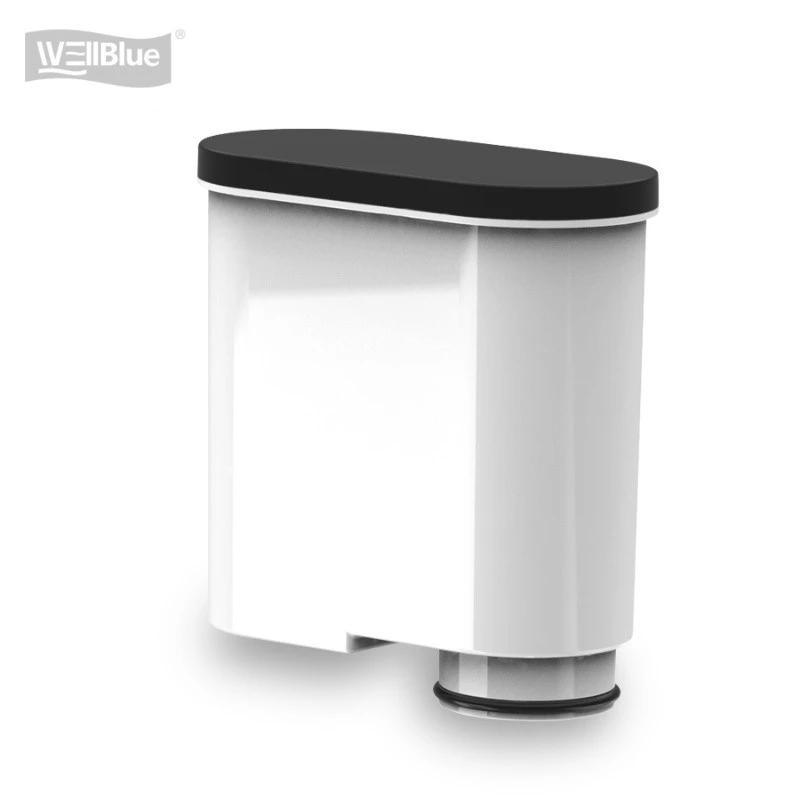
For example, the Philips Series Coffee Machine Water Filter and the Melitta CMF003 Coffee Machine Filter are both designed to improve the taste and quality of water used in coffee machines. While they may not be specifically marketed for radon removal, they do contain carbon filters that can potentially adsorb some radon. However, if you're looking for a filter specifically designed for radon removal, you might want to consider an NSF Certified Water Filter. NSF certification means that the filter has been tested and meets certain standards for radon removal.
It's important to note that while water filter cartridges and carbon blocks can help reduce radon levels in water, they may not completely eliminate it. For high levels of radon, additional treatment methods may be necessary, such as aeration or ion exchange. Aeration involves exposing the water to air, which allows the radon gas to escape. Ion exchange, on the other hand, uses a resin to remove radon and other contaminants from the water.
So, if you're concerned about radon in your water, here's what you can do. First, get your water tested to determine the radon levels. You can hire a professional testing service or use a home testing kit. Once you know the radon levels, you can decide on the best treatment method. If the radon levels are relatively low, a high-quality water filter cartridge or carbon block may be sufficient. But if the levels are high, you may need to consider more advanced treatment options.
As a supplier of water filter cartridges and carbon blocks, I can offer you a range of products that are designed to improve water quality. Our filters are made with high-quality materials and are tested to ensure their effectiveness. Whether you're looking for a filter for your home, office, or commercial establishment, we have the right solution for you.
If you're interested in learning more about our products or have any questions about radon removal, feel free to reach out. We're here to help you make an informed decision and provide you with the best water filtration solutions. Contact us today to start a conversation about your water filtration needs.
In conclusion, water filter cartridges and carbon blocks can play a role in removing radon from water, but their effectiveness depends on several factors. While they may not completely eliminate radon, they can help reduce the levels and improve water quality. If you're concerned about radon in your water, get it tested and consider the best treatment options for your situation. And remember, we're here to assist you every step of the way.

References
- Environmental Protection Agency (EPA). "Radon in Drinking Water." Available at [EPA website].
- National Radon Program Services. "Radon and Drinking Water." Available at [NRPS website].
- Water Quality Association. "Water Treatment for Radon." Available at [WQA website].