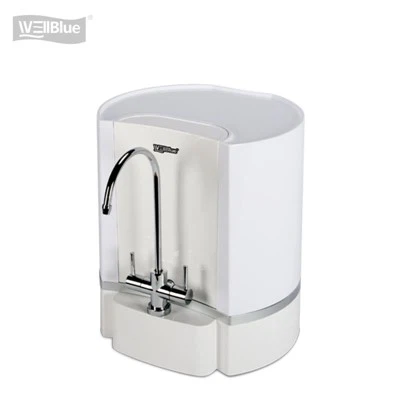
Water is an essential part of our daily lives, and ensuring its purity is crucial for our health and well - being. Water filter cartridges and carbon blocks are popular tools used to improve water quality. One common question that often arises is whether these filters can remove zinc from water. As a supplier of water filter cartridges and carbon blocks, I am here to delve into this topic and provide you with a comprehensive understanding.
Understanding Zinc in Water
Zinc is a trace element that can be found in water sources. It is an essential nutrient for the human body, playing a vital role in many biological processes such as immune function, wound healing, and DNA synthesis. However, excessive levels of zinc in water can have negative effects. High concentrations of zinc can cause a metallic taste in water, and in extreme cases, it may lead to nausea, vomiting, and diarrhea.
Zinc can enter water supplies from various sources. Natural sources include the weathering of zinc - containing rocks and minerals. Anthropogenic sources are also significant, such as industrial discharges, mining activities, and the corrosion of zinc - coated pipes.
How Water Filter Cartridges and Carbon Blocks Work
Water filter cartridges and carbon blocks operate on different principles to remove impurities from water.
Water Filter Cartridges
Water filter cartridges come in various types, including sediment filters, activated carbon filters, and ion - exchange filters. Sediment filters are designed to trap large particles such as sand, dirt, and rust. Activated carbon filters use a porous form of carbon to adsorb organic compounds, chlorine, and some heavy metals. Ion - exchange filters work by exchanging ions in the water, for example, replacing calcium and magnesium ions (which cause hard water) with sodium ions.
Carbon Blocks
Carbon blocks are made of compressed activated carbon. They have a high surface area, which allows them to adsorb a wide range of contaminants. The pores in carbon blocks can trap small particles and molecules, making them effective at removing chlorine, pesticides, and some heavy metals.
Can Water Filter Cartridges and Carbon Blocks Remove Zinc?
The ability of water filter cartridges and carbon blocks to remove zinc depends on several factors.
Activated Carbon Filters and Carbon Blocks
Activated carbon has some capacity to adsorb zinc. The porous structure of activated carbon provides sites for zinc ions to attach to. However, the efficiency of zinc removal by activated carbon is limited. It is more effective at removing organic contaminants and chlorine rather than heavy metals like zinc.
The adsorption capacity of activated carbon for zinc is affected by factors such as the surface area of the carbon, the contact time between the water and the carbon, and the concentration of zinc in the water. In general, activated carbon filters and carbon blocks may be able to remove a small amount of zinc, but they are not designed specifically for zinc removal.
Ion - Exchange Filters
Ion - exchange filters are more effective at removing zinc. These filters work by exchanging zinc ions with other ions, typically sodium ions. When water passes through an ion - exchange resin, zinc ions are attracted to the resin and are replaced by sodium ions. This process can significantly reduce the zinc concentration in water.
Case Studies of Zinc Removal
To illustrate the effectiveness of water filter cartridges and carbon blocks in removing zinc, let's look at some real - world examples.
There have been studies on the performance of different water filters in removing zinc from water. Some high - end water filter cartridges with ion - exchange capabilities have been shown to reduce zinc levels to acceptable limits. For instance, in a test conducted on a water supply with a relatively high zinc concentration, an ion - exchange water filter cartridge was able to reduce the zinc level from 5 mg/L to less than 1 mg/L, which is within the acceptable range set by many health organizations.
On the other hand, activated carbon - based filters and carbon blocks showed less significant results. In a similar test, an activated carbon filter could only reduce the zinc concentration by about 10 - 20%, indicating that their effectiveness in zinc removal is limited.
Recommended Products for Zinc Removal
As a supplier of water filter cartridges and carbon blocks, I can recommend some products that are more effective at removing zinc.


The Melitta CMF003 Coffee Machine Filter is a high - quality filter that uses a combination of activated carbon and ion - exchange resin. This filter is designed to not only remove common contaminants like chlorine and sediment but also has some capacity to remove heavy metals such as zinc.
Another great option is the Philips CMF009 Coffee Machine Filter. It is equipped with advanced filtration technology that can effectively reduce the zinc content in water.
If you are looking for a pitcher water filter replacement, the Pitcher Water Filter Replacement is a good choice. It is designed to fit most standard water pitchers and can provide reliable filtration, including some level of zinc removal.
Conclusion
In conclusion, while water filter cartridges and carbon blocks can have some impact on zinc removal, their effectiveness varies. Activated carbon filters and carbon blocks have limited capacity for zinc removal, mainly due to their design which is more focused on organic contaminants and chlorine. Ion - exchange filters, on the other hand, are more effective at removing zinc.
If you are concerned about zinc levels in your water, it is important to choose the right water filter. Our company offers a range of water filter cartridges and carbon blocks that can meet different filtration needs. Whether you need a filter for your coffee machine or a pitcher water filter replacement, we have the products to ensure your water is clean and safe.
If you are interested in purchasing our water filter cartridges and carbon blocks, we welcome you to contact us for more information and to discuss your specific requirements. We are committed to providing high - quality products and excellent customer service.
References
- "Water Quality and Treatment" by American Water Works Association.
- "Handbook of Water Filtration" by A. J. Pearson.