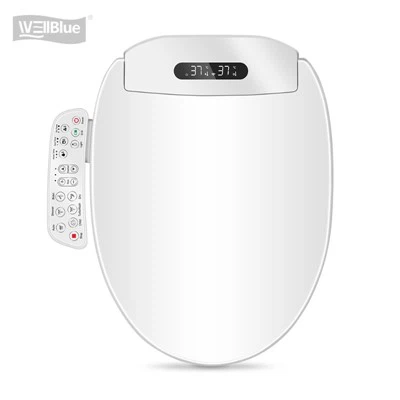
As a supplier of U shape toilet seats, I often receive inquiries from customers about various aspects of these products, including how to adjust the tension of the hinges on a U shape toilet seat. In this blog post, I'll share some in - depth knowledge and practical steps on this topic.
Understanding the Importance of Hinge Tension
The hinge tension of a U shape toilet seat plays a crucial role in its functionality and user experience. Properly adjusted hinge tension ensures that the seat opens and closes smoothly, without slamming shut or being too loose to stay in place. A well - tensioned seat not only enhances comfort but also extends the lifespan of the toilet seat by reducing wear and tear on the hinges.
Types of U Shape Toilet Seats
Before we dive into the adjustment process, let's briefly mention the different types of U shape toilet seats that we offer. We have the U Shape Soft Close Toilet Seat, which is designed to close gently and quietly, preventing the loud noise that can be annoying, especially in a quiet household or a public restroom. The U Shape Open Front Toilet Seat provides added convenience and hygiene, and is a popular choice in many settings. And our U Shape Plastic Toilet Seat is known for its durability and affordability.
Tools Required for Hinge Tension Adjustment
To adjust the tension of the hinges on a U shape toilet seat, you'll need a few basic tools. A screwdriver is the most common tool required. Depending on the type of hinge, you may need a Phillips - head or a flat - head screwdriver. In some cases, an Allen wrench might be necessary if the hinges have Allen - type screws. It's also a good idea to have a soft cloth on hand to clean the hinges and the seat during the process.
Step - by - Step Guide to Adjusting Hinge Tension
- Inspect the Hinges
First, carefully examine the hinges of the U shape toilet seat. Look for any signs of damage, such as cracks or loose parts. If you notice any significant damage, it might be necessary to replace the hinges or the entire seat. Most modern U shape toilet seats have adjustable hinges that are clearly marked. Some hinges have small adjustment screws on the side or at the base. - Prepare the Toilet Seat
Lift the toilet seat and the lid to access the hinges. Make sure the seat is in a stable position. If possible, clean the hinges with a soft cloth to remove any dirt or debris that could affect the adjustment process. - Locate the Adjustment Screws
As mentioned earlier, the adjustment screws can be found in different locations depending on the design of the hinge. On some models, there are two screws on each hinge: one for adjusting the tension of the seat and another for the lid. In other cases, a single screw may control both the seat and the lid tension. - Adjust the Tension
- Increasing Tension: If the seat or the lid is too loose and doesn't stay in place, you'll need to increase the tension. Using the appropriate screwdriver or Allen wrench, turn the adjustment screw clockwise. Make small adjustments at a time, and then test the seat by opening and closing it. Keep adjusting until the seat or the lid stays in the desired position and opens and closes smoothly.
- Decreasing Tension: If the seat or the lid is too difficult to open or close, you need to decrease the tension. Turn the adjustment screw counter - clockwise in small increments. After each adjustment, test the seat to see if the tension is more comfortable.
- Test the Seat
After making the adjustments, open and close the toilet seat and the lid several times to ensure that the tension is correct. The seat should open and close smoothly, and it should stay in an upright position when opened. If the seat still doesn't function properly, you may need to make further adjustments.
Troubleshooting Common Issues
- Uneven Tension: If one side of the seat or the lid has a different tension than the other, check if the adjustment screws on both sides are tightened evenly. Make sure that the hinges are properly aligned. Sometimes, a small misalignment can cause uneven tension.
- Squeaking Hinges: If the hinges are squeaking, it could be due to lack of lubrication. You can use a small amount of silicone - based lubricant on the moving parts of the hinges. Apply the lubricant sparingly and then open and close the seat a few times to distribute the lubricant evenly.
Maintenance Tips for U Shape Toilet Seats
- Regular Cleaning: Clean the U shape toilet seat and the hinges regularly with a mild cleaning solution. Avoid using abrasive cleaners that can damage the surface of the seat or the hinges.
- Check for Loose Parts: Periodically check the hinges and the mounting bolts to make sure they are tight. Loose parts can affect the tension and the overall stability of the seat.
- Avoid Overloading: Don't put excessive weight on the toilet seat, as this can cause damage to the hinges and other components.
Conclusion
Adjusting the tension of the hinges on a U shape toilet seat is a relatively simple process that can significantly improve the functionality and lifespan of the seat. By following the steps outlined in this blog post, you can ensure that your U shape toilet seat operates smoothly and quietly.

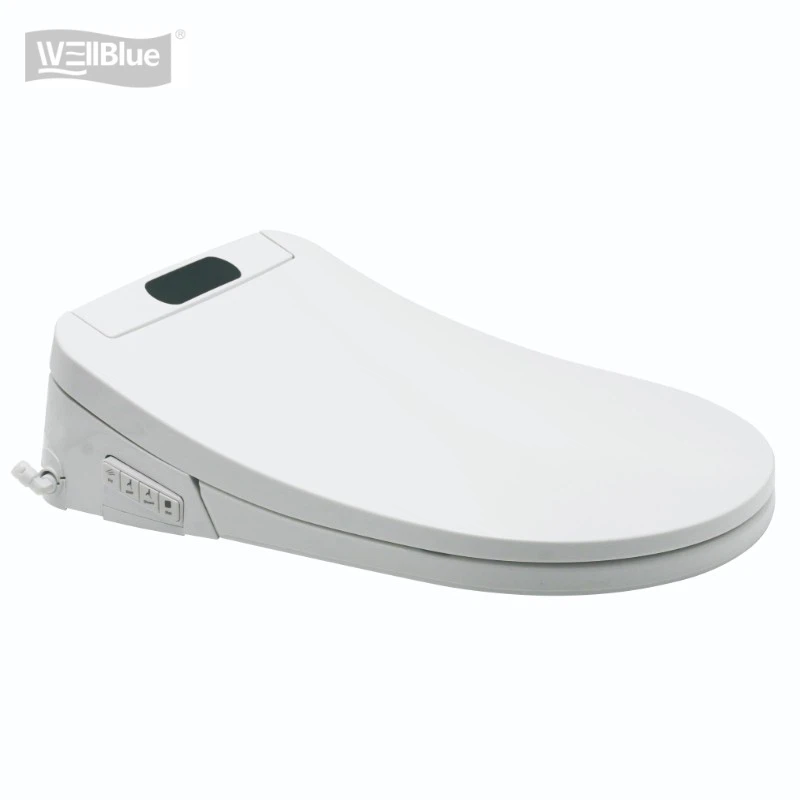
If you're in the market for a high - quality U shape toilet seat or have any questions about our products, we'd love to hear from you. Whether you need more information on hinge adjustment, want to discuss your specific requirements, or are interested in placing an order, feel free to reach out to us. We're committed to providing the best products and services to our customers.
References
- Toilet Seat Installation and Maintenance Guides from industry - leading manufacturers.
- Personal experience and knowledge gained from being a U shape toilet seat supplier.