Maintaining the integrity of an ultrafiltration water filter membrane is crucial for ensuring the consistent and efficient operation of the water filtration system. As a supplier of ultrafiltration water filters, I understand the significance of this process and have gained valuable insights over the years. In this blog, I will share some key strategies and best practices on how to maintain the integrity of an ultrafiltration water filter membrane.
Understanding Ultrafiltration Water Filter Membranes
Ultrafiltration (UF) is a pressure-driven membrane filtration process that uses a semi-permeable membrane to separate suspended solids, bacteria, viruses, and macromolecules from water. The membrane has pores that are typically in the range of 0.001 to 0.1 micrometers, allowing water and small molecules to pass through while retaining larger particles.
The integrity of the UF membrane is essential because any damage or deterioration can lead to a decrease in filtration efficiency and an increase in the risk of contaminants passing through the membrane. Therefore, proper maintenance is necessary to extend the lifespan of the membrane and ensure the quality of the filtered water.
Pre - treatment of Feed Water
One of the most effective ways to maintain the integrity of an ultrafiltration water filter membrane is to ensure proper pre - treatment of the feed water. The feed water may contain various contaminants such as suspended solids, organic matter, and microorganisms, which can cause fouling and damage to the membrane.
- Suspended Solids Removal: Coagulation and flocculation can be used to remove suspended solids from the feed water. Chemical coagulants such as aluminum sulfate or ferric chloride are added to the water to neutralize the charges of the suspended particles, causing them to aggregate into larger flocs. These flocs can then be removed by sedimentation or filtration through a sand filter or a cartridge filter.
- Organic Matter Removal: Activated carbon filtration is an effective method for removing organic matter from the feed water. Activated carbon has a large surface area and can adsorb organic compounds, including natural organic matter (NOM), pesticides, and industrial chemicals. This helps to reduce the fouling potential of the UF membrane and prevent the formation of biofilms.
- Microorganism Control: Chlorination or other disinfection methods can be used to control the growth of microorganisms in the feed water. However, it is important to note that some disinfectants may be harmful to the UF membrane. For example, free chlorine can react with the membrane material and cause degradation. Therefore, if chlorination is used, it is necessary to de - chlorinate the water before it enters the UF system.
Regular Backwashing and Chemical Cleaning
Backwashing is a common method used to remove accumulated particles from the surface of the UF membrane. During backwashing, clean water is pumped through the membrane in the reverse direction, dislodging the particles that have been trapped on the membrane surface.
- Backwashing Frequency: The frequency of backwashing depends on the quality of the feed water and the operating conditions of the UF system. In general, backwashing should be performed at regular intervals, typically every 30 minutes to a few hours. However, if the feed water has a high concentration of suspended solids, more frequent backwashing may be required.
- Chemical Cleaning: In addition to backwashing, chemical cleaning is also necessary to remove stubborn fouling and restore the membrane's performance. Chemical cleaning agents such as acids, alkalis, and oxidants can be used depending on the type of fouling. For example, acid cleaning can be used to remove inorganic scaling, while alkaline cleaning is effective for removing organic fouling. It is important to follow the manufacturer's recommendations when using chemical cleaning agents to avoid damaging the membrane.
Monitoring and Control of Operating Conditions
Monitoring and controlling the operating conditions of the UF system is essential for maintaining the integrity of the membrane.
- Pressure Monitoring: The pressure across the membrane should be monitored continuously. An increase in pressure drop indicates that the membrane is becoming fouled. If the pressure drop exceeds the recommended limit, it may be necessary to perform backwashing or chemical cleaning.
- Flow Rate Control: The flow rate of the feed water should be maintained within the recommended range. A high flow rate can cause excessive shear stress on the membrane, leading to membrane damage. On the other hand, a low flow rate may result in incomplete filtration and the accumulation of contaminants on the membrane surface.
- Temperature and pH Control: The temperature and pH of the feed water can also affect the performance and integrity of the UF membrane. Most UF membranes have a recommended temperature and pH range for operation. Operating outside this range can cause membrane swelling, shrinkage, or chemical degradation.
Selection of High - Quality Membranes
As a supplier of ultrafiltration water filters, I always emphasize the importance of selecting high - quality membranes. High - quality membranes are more resistant to fouling, chemical degradation, and mechanical damage. They also have a longer lifespan and provide better filtration performance.
When choosing a UF membrane, it is important to consider factors such as the pore size, membrane material, and the manufacturer's reputation. Different membrane materials have different properties and are suitable for different applications. For example, polyethersulfone (PES) membranes are known for their high chemical resistance and thermal stability, while polyvinylidene fluoride (PVDF) membranes have good mechanical strength and anti - fouling properties.
Our Ultrafiltration Water Filter Products
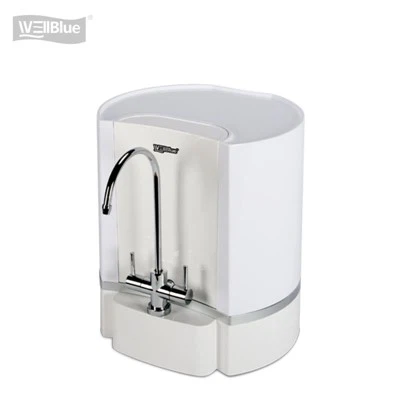
We offer a wide range of ultrafiltration water filter products to meet the diverse needs of our customers. Our Alkaline UF Water Filter Machine is designed to produce alkaline water, which is beneficial for health. It combines ultrafiltration technology with alkaline mineralization to provide clean and healthy drinking water.


Our Stainless Steel Water Filter is made of high - quality stainless steel, which is corrosion - resistant and durable. It is suitable for both residential and commercial applications and can effectively remove various contaminants from water.
The Ultra Filtration Mineral Water Filter is another popular product in our portfolio. It not only removes impurities but also retains essential minerals in the water, providing a natural and healthy drinking experience.
Conclusion
Maintaining the integrity of an ultrafiltration water filter membrane is a complex but necessary task. By implementing proper pre - treatment of feed water, regular backwashing and chemical cleaning, monitoring and control of operating conditions, and selecting high - quality membranes, we can ensure the long - term performance and reliability of the UF system.
If you are interested in our ultrafiltration water filter products or need more information on membrane maintenance, please feel free to contact us for further discussion and potential procurement. We are committed to providing you with the best solutions for your water filtration needs.
References
- Cheryan, M. Ultrafiltration Handbook. Technomic Publishing Co., 1998.
- Baker, R. W. Membrane Technology and Applications. John Wiley & Sons, 2004.
- American Water Works Association. M53: Ultrafiltration Membrane Systems. AWWA, 2007.