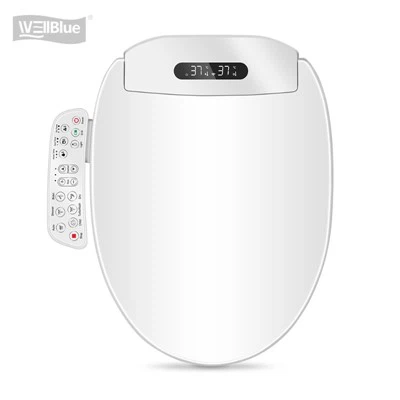
As a supplier of heat toilet lids, I've often been asked about the end - of - life management of these products. Recycling a heat toilet lid is not only an environmentally responsible choice but also a way to contribute to a circular economy. In this blog, I'll share some insights on how to recycle a heat toilet lid at the end of its life.
Understanding the Components of a Heat Toilet Lid
Before we dive into the recycling process, it's essential to understand what a heat toilet lid is made of. A typical heat toilet lid consists of several components:


- Plastic Housing: The outer shell of the toilet lid is usually made of high - density polyethylene (HDPE) or polypropylene (PP). These plastics are durable and resistant to moisture, which makes them suitable for bathroom use.
- Heating Element: The heating element is responsible for keeping the toilet seat warm. It is often made of materials like nichrome wire, which has high electrical resistance and can generate heat when an electric current passes through it.
- Electrical Components: There are also various electrical components such as sensors, control boards, and wires. These components are crucial for the proper functioning of the heat toilet lid, including temperature control and other smart features.
- Foam Insulation: Some heat toilet lids have foam insulation to improve heat retention. The foam is typically made of polyurethane, which provides good thermal insulation properties.
Disassembly of the Heat Toilet Lid
The first step in recycling a heat toilet lid is to disassemble it. This process should be done carefully to ensure the safety of the person doing the disassembly and to prevent damage to the components.
- Unplug the Toilet Lid: Before starting the disassembly, make sure to unplug the toilet lid from the power source to avoid any electrical hazards.
- Remove the Outer Cover: Use a screwdriver to remove the screws holding the outer plastic cover in place. Keep the screws in a safe place as they may be reusable or recyclable.
- Separate the Electrical Components: Carefully disconnect the wires and remove the control boards, sensors, and the heating element. Be cautious when handling the electrical components to avoid static electricity damage.
- Take Out the Foam Insulation: If there is foam insulation inside the toilet lid, remove it gently.
Recycling the Different Components
Plastic Housing
The plastic housing can be recycled through local recycling programs. Most municipalities have recycling facilities that accept HDPE and PP plastics. However, it's important to check with your local waste management authority to confirm the specific recycling requirements.
- Clean the Plastic: Before recycling, clean the plastic housing to remove any dirt, grime, or residue. This will ensure that the plastic is in a suitable condition for recycling.
- Sort the Plastic: If possible, separate the different types of plastics in the housing. Some recycling facilities may require different plastics to be sorted before recycling.
Heating Element
The nichrome wire in the heating element can be recycled. You can contact a local metal recycling company to see if they accept nichrome wire. They will typically melt down the wire and reuse the metal in other products.
- Remove the Wire: Carefully remove the nichrome wire from the heating element. Make sure to wear appropriate gloves to avoid any cuts.
- Package the Wire: Place the wire in a suitable container or bag and label it clearly as nichrome wire for recycling.
Electrical Components
Electrical components contain valuable metals and materials that can be recycled. However, they also contain hazardous substances such as lead and mercury, so they need to be recycled properly.
- Find an E - waste Recycling Facility: Look for an e - waste recycling facility in your area. These facilities are equipped to handle the recycling of electrical components safely and efficiently.
- Follow the Facility's Guidelines: Different e - waste recycling facilities may have different guidelines for dropping off electrical components. Make sure to follow their instructions, which may include filling out a form or separating the components into different categories.
Foam Insulation
Polyurethane foam can be recycled, but the process is more complex compared to plastic and metal recycling.
- Contact a Specialized Recycling Company: There are specialized recycling companies that deal with polyurethane foam. They can break down the foam into its raw materials and reuse them in the production of new foam products.
- Transport the Foam Properly: Since foam is bulky, make sure to transport it to the recycling company in a way that minimizes damage and waste.
The Benefits of Recycling Heat Toilet Lids
Recycling heat toilet lids has several benefits:
- Environmental Protection: By recycling the components of a heat toilet lid, we can reduce the amount of waste going to landfills. This helps to conserve natural resources and reduce pollution.
- Resource Conservation: The materials in a heat toilet lid, such as plastic, metal, and foam, can be reused in the production of new products. This reduces the need for virgin materials and saves energy.
- Compliance with Regulations: Many countries and regions have regulations regarding the proper disposal of electronic waste. Recycling heat toilet lids ensures compliance with these regulations.
Our Company's Contribution
As a heat toilet lid supplier, we are committed to promoting sustainable practices. We not only focus on producing high - quality products but also encourage our customers to recycle our products at the end of their life. In addition to our heat toilet lids, we also offer a range of other products, such as U Shape Side Control Bidet Seats, Multi - functional Side Control Bidet Seats, and V Shape Side Control Bidet Seats. These products are designed with both functionality and sustainability in mind.
Contact Us for Procurement
If you are interested in purchasing our heat toilet lids or any of our other products, we welcome you to contact us for procurement discussions. We are always ready to provide you with detailed product information, quotations, and excellent customer service. Whether you are a distributor, a retailer, or an end - user, we can offer you the best solutions to meet your needs.
References
- "Recycling of Plastics: A Review" by A. Al-Salem, P. Lettieri, and E. Baeyens.
- "Electrical and Electronic Waste Recycling: A Review" by K. H. Wong, W. S. Chow, and Y. Y. N. Lau.
- "Polyurethane Foam Recycling: A State - of - the - Art Review" by M. A. A. Mezghani, A. K. Khelifa, and M. A. Haddar.