


Hey there! As a supplier of water filter jugs and bottles, I often get asked about how these nifty gadgets handle sediment. Sediment in water can be a real pain, from making your water look murky to potentially causing health issues. So, let's dive into how water filter bottles deal with sediment.
What is Sediment in Water?
First off, let's understand what sediment is. Sediment in water can include a whole bunch of stuff like sand, silt, clay, rust, and even tiny particles of organic matter. It can come from various sources, such as old pipes, natural erosion, or industrial waste. When you see that cloudy or dirty-looking water, it's usually because of sediment.
How Water Filter Bottles Work
Water filter bottles are designed to remove sediment and other impurities from water, making it safe and clean to drink. Most water filter bottles use a combination of different filtration methods to achieve this.
Mechanical Filtration
One of the most common ways water filter bottles handle sediment is through mechanical filtration. This is like a physical barrier that traps the sediment particles as the water passes through. The filter usually has tiny pores that are small enough to block the sediment but large enough to let the water through.
For example, a 550ml Alkaline Water Bottle often comes with a filter that has a fine mesh. As you pour water into the bottle, the sediment gets caught in the mesh, and only clean water makes it through to the drinking chamber.
Activated Carbon Filtration
Another important component in many water filter bottles is activated carbon. Activated carbon is great at removing not only sediment but also other contaminants like chlorine, bad odors, and some chemicals. It works by adsorption, which means that the contaminants stick to the surface of the carbon.
When water passes through the activated carbon filter in a water filter bottle, the sediment and other impurities get adsorbed onto the carbon, leaving you with cleaner, better-tasting water. Our 3.5L Brita Type Alkaline Water Pitcher uses a high-quality activated carbon filter to ensure you get the best water possible.
Ion Exchange
Some water filter bottles also use ion exchange to handle sediment and other impurities. Ion exchange is a process where certain ions in the water are replaced with other ions. This can help remove heavy metals and other contaminants that might be present in the sediment.

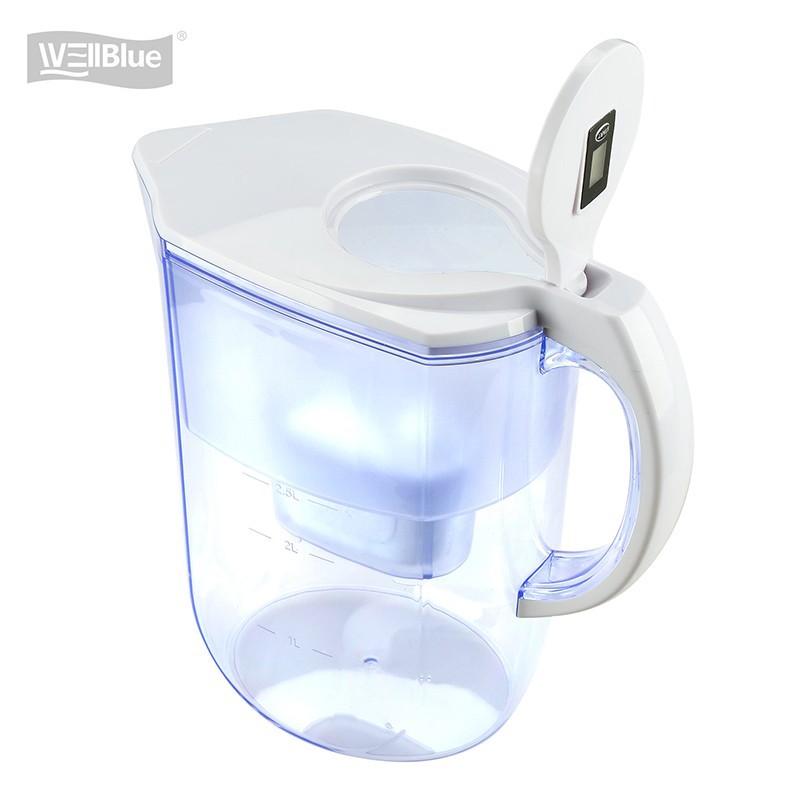
For instance, in our 3.8L Wellblue Alkaline Water Filter Pitcher, the ion exchange resin helps to soften the water and remove any harmful ions that might be in the sediment.
Factors Affecting Sediment Filtration
There are several factors that can affect how well a water filter bottle handles sediment.
Filter Pore Size
The size of the pores in the filter is crucial. If the pores are too large, the sediment might pass through. On the other hand, if the pores are too small, the water might not flow through easily, and the filter could get clogged quickly. That's why it's important to choose a water filter bottle with the right filter pore size for the type of sediment you're dealing with.
Filter Capacity
The capacity of the filter also matters. A filter with a larger capacity can handle more sediment before it needs to be replaced. Our NSF Certified Water Filter Jug Pitcher has a high-capacity filter that can handle a significant amount of sediment, making it a great choice for areas with high sediment levels.
Water Flow Rate
The flow rate of the water through the filter can affect sediment filtration. If the water flows too quickly, the sediment might not have enough time to be trapped by the filter. Some water filter bottles are designed to slow down the water flow to ensure better sediment removal.
Maintenance of Water Filter Bottles
To keep your water filter bottle working effectively in handling sediment, proper maintenance is essential.
Filter Replacement
Regularly replacing the filter is crucial. Over time, the filter gets clogged with sediment and other impurities, and its effectiveness decreases. Most water filter bottles come with instructions on how often to replace the filter. For example, in our 3.5L Alkaline Pitcher Water Well Blue, the filter should be replaced every few months, depending on your usage.
Cleaning the Bottle
It's also important to clean the water filter bottle regularly. You can use mild soap and water to clean the bottle, but make sure to follow the manufacturer's instructions. This helps to prevent the buildup of sediment and other contaminants inside the bottle.
Benefits of Using Water Filter Bottles for Sediment Removal
Using water filter bottles to handle sediment has several benefits.
Healthier Water
By removing sediment and other impurities, water filter bottles provide you with healthier water to drink. Sediment can contain harmful bacteria and other contaminants that can cause health problems. With a water filter bottle, you can reduce your risk of getting sick from drinking contaminated water.
Better Taste
Sediment can make water taste bad. Water filter bottles remove the sediment and other contaminants that affect the taste of the water, leaving you with clean, fresh-tasting water.
Environmental Friendly
Using a water filter bottle is a more environmentally friendly option compared to buying bottled water. It reduces the amount of plastic waste generated from single-use water bottles.
Conclusion
Water filter bottles are a great solution for handling sediment in water. They use a combination of mechanical filtration, activated carbon filtration, and ion exchange to remove sediment and other impurities. By choosing the right water filter bottle and maintaining it properly, you can enjoy clean, healthy, and great-tasting water.
If you're interested in purchasing our water filter jugs and bottles, we'd love to have a chat with you. Whether you're a retailer looking to stock our products or an individual in need of a reliable water filtration solution, feel free to reach out to discuss your requirements. We're here to help you find the perfect water filter for your needs.
References
- "Water Filtration: Principles and Applications" by George Tchobanoglous and Franklin L. Burton.
- "The Handbook of Water Treatment" by Peter F. Strom.


