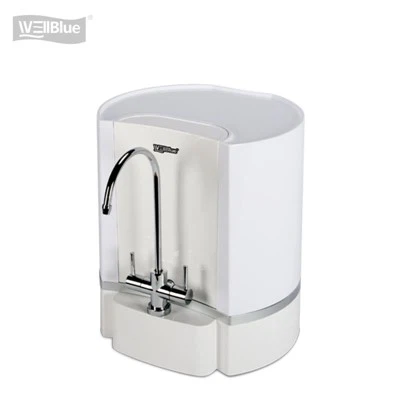
Hey there! As a supplier of alkaline water purifiers, I've gotten a bunch of questions from customers about how to store these nifty devices when they're not in use. It's a super important topic because proper storage can keep your purifier in tip - top shape and extend its lifespan. So, let's dive right in and explore the best ways to store an alkaline water purifier.
Why Proper Storage Matters
First off, why should you even bother with proper storage? Well, alkaline water purifiers are made up of delicate components. If they're not stored correctly, these parts can get damaged, cracked, or clogged, which can mess up the purifier's performance. Plus, storing it right can save you money in the long run by preventing the need for costly repairs or early replacements.
Pre - storage Steps
Before you tuck your alkaline water purifier away, there are a few things you need to do.
1. Empty the Water
The first step is to empty all the water from the purifier. Standing water can lead to the growth of bacteria, mold, and algae, which can contaminate the purifier and make it less effective. For most purifiers, you can simply pour out the remaining water from the reservoir. If there are any hoses or pipes, make sure to drain them as well.
2. Clean the Purifier
Give your purifier a thorough cleaning. Use a mild detergent and warm water to clean the exterior and interior parts. For the filter, follow the manufacturer's instructions. Some filters can be rinsed under running water, while others may need to be soaked in a special cleaning solution. Make sure to dry all the parts completely before storing. This helps prevent any corrosion or damage caused by moisture.
3. Check for Damage
Inspect the purifier for any signs of damage, such as cracks, leaks, or loose parts. If you find any issues, it's best to get them fixed before storing the purifier. You don't want to let a small problem turn into a big one while it's in storage.
Different Types of Alkaline Water Purifiers and Their Storage
There are several types of alkaline water purifiers, like the Faucet Alkaline Water Purifier, Alkaline Mineral Water Purifier, and Countertop Alkaline Water Purifier. Each type may require slightly different storage methods.
Faucet Alkaline Water Purifier
These are small and easy to handle. After emptying and cleaning, you can simply remove it from the faucet. Wrap it in a soft cloth to protect it from scratches and store it in a dry, cool place. You can also keep it in its original box if you still have it.
Alkaline Mineral Water Purifier
These purifiers usually have a larger reservoir and more complex filtration systems. After cleaning and emptying, you may want to disassemble the parts if possible. Store the filter separately in a sealed plastic bag to keep it clean. Put all the parts in a sturdy box and place it in a dry area away from direct sunlight.
Countertop Alkaline Water Purifier
Countertop models are often bulkier. Make sure to cover it with a dust - proof cover to protect it from dirt and dust. If you have the space, you can store it on a shelf. But if not, you can also disassemble it into smaller parts and store them in a box. Just make sure to label the parts so you know how to put them back together later.
Storage Conditions
1. Temperature
The ideal storage temperature for an alkaline water purifier is between 40°F (4°C) and 90°F (32°C). Extreme temperatures can damage the plastic parts, seals, and filters. Avoid storing the purifier in places like attics or basements where the temperature can fluctuate wildly.
2. Humidity
High humidity can cause rust, corrosion, and mold growth. Try to store the purifier in a dry place. If you live in a humid area, you can use a dehumidifier in the storage area or place some silica gel packets in the box with the purifier to absorb moisture.


3. Light
Direct sunlight can fade the color of the purifier and damage the plastic parts. Store the purifier in a dark or shaded area to protect it from UV rays.
Long - term Storage
If you're planning to store the purifier for a long time, there are a few extra steps you can take.
1. Replace the Filter
If you're not going to use the purifier for more than a few months, it's a good idea to replace the filter before storing. This ensures that the filter is fresh and ready to use when you take the purifier out of storage.
2. Check Periodically
Even if the purifier is in storage, it's a good idea to check on it every few months. Make sure there are no signs of damage, mold, or pests. If you notice any issues, address them right away.
Conclusion
Storing an alkaline water purifier properly is crucial for its performance and longevity. By following these steps, you can ensure that your purifier stays in great condition even when it's not in use. Whether you have a Faucet Alkaline Water Purifier, Alkaline Mineral Water Purifier, or Countertop Alkaline Water Purifier, these tips will help you keep it in top shape.
If you're in the market for a new alkaline water purifier or have any questions about our products, don't hesitate to reach out. We're here to help you find the perfect purifier for your needs and provide you with all the information you need for proper use and storage.
References
- Manufacturer's manuals of various alkaline water purifiers
- Industry research on water purifier maintenance and storage