As a supplier of hot and cold RO water purifiers, I often receive inquiries about the water pressure requirements for these systems. Understanding the appropriate water pressure is crucial for the optimal performance and longevity of your hot and cold RO water purifier. In this blog post, I'll delve into the details of water pressure requirements, explain why they matter, and offer some tips on ensuring your system operates at its best.
Why Water Pressure Matters for RO Water Purifiers
Reverse osmosis (RO) is a water purification process that uses a semi-permeable membrane to remove impurities from water. This process requires a certain amount of pressure to force water through the membrane. Without adequate pressure, the RO system may not function efficiently, leading to reduced water flow, poor water quality, and increased wear and tear on the system components.
In the case of hot and cold RO water purifiers, proper water pressure is essential for both the purification process and the operation of the heating and cooling mechanisms. Insufficient pressure can result in slow water dispensing, inconsistent temperature control, and even damage to the heating or cooling elements.
Ideal Water Pressure for Hot and Cold RO Water Purifiers
The ideal water pressure for a hot and cold RO water purifier typically ranges between 40 and 80 psi (pounds per square inch). This pressure range ensures that the RO membrane can effectively filter out contaminants while allowing for a sufficient flow of water through the system.
If the water pressure is too low (below 40 psi), the RO system may struggle to produce enough purified water, and the heating and cooling functions may not work properly. On the other hand, if the water pressure is too high (above 80 psi), it can put excessive stress on the RO membrane and other system components, leading to premature failure.
Factors Affecting Water Pressure
Several factors can affect the water pressure in your home or business, including:
- Municipal Water Supply: The water pressure provided by your local water utility can vary depending on your location, the time of day, and the demand on the system.
- Piping System: The size, length, and condition of your plumbing pipes can also impact water pressure. Older pipes or pipes with blockages or leaks may cause a drop in pressure.
- Water Softener or Filtration System: If you have a water softener or other filtration system installed, it can affect the water pressure downstream.
- Elevation: The height of your building or the location of your water source can also influence water pressure. Higher elevations may result in lower pressure.
Testing and Adjusting Water Pressure
To ensure that your hot and cold RO water purifier is operating at the optimal water pressure, it's important to test the pressure regularly. You can use a pressure gauge to measure the water pressure at the inlet of the RO system. If the pressure is outside the recommended range, you may need to take steps to adjust it.
- Low Water Pressure: If the water pressure is too low, you may need to install a booster pump to increase the pressure. Booster pumps are available in various sizes and capacities and can be installed at the inlet of the RO system.
- High Water Pressure: If the water pressure is too high, you can install a pressure regulator to reduce the pressure to a safe level. Pressure regulators are typically installed at the main water supply line.
Choosing the Right Hot and Cold RO Water Purifier for Your Water Pressure
When selecting a hot and cold RO water purifier, it's important to consider the water pressure in your home or business. Some RO systems are designed to operate at lower pressures, while others require higher pressures for optimal performance.
If you have low water pressure, look for a hot and cold RO water purifier that is specifically designed for low-pressure applications. These systems typically have a more efficient RO membrane and may include a built-in booster pump to compensate for the low pressure.
On the other hand, if you have high water pressure, make sure to choose a hot and cold RO water purifier that can handle the higher pressure. Some systems are equipped with a pressure regulator to protect the RO membrane and other components from damage.
Our Product Offerings
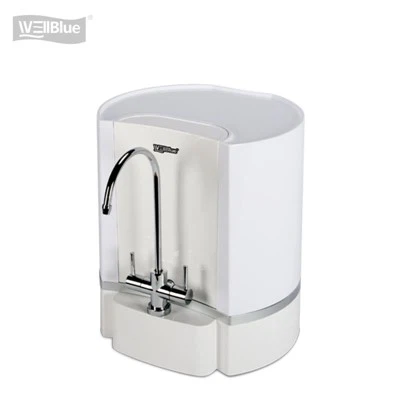
As a supplier of hot and cold RO water purifiers, we offer a wide range of products to meet the needs of different customers. Our Hot And Cold Water Purifier Dispenser is a popular choice for homes and offices, providing both hot and cold purified water at the touch of a button.
For those who prefer alkaline water, we also offer the Alkaline Hot And Cold Water Purifier Dispenser. This system not only purifies the water but also adds beneficial minerals to make it alkaline, which is believed to have several health benefits.
If you're looking for a more compact solution, our Hot And Warm RO Water Filter is a great option. It provides hot and warm purified water in a space-saving design, perfect for small kitchens or offices.
Contact Us for More Information
If you have any questions about the water pressure requirements for hot and cold RO water purifiers or if you're interested in purchasing one of our products, please don't hesitate to contact us. Our team of experts is available to answer your questions and help you choose the right system for your needs.


References
- "Reverse Osmosis Water Treatment Systems: A Guide to Understanding and Selecting the Right System." Water Quality Association.
- "Water Pressure and Your Home: What You Need to Know." The Spruce.
- "How to Test and Adjust Water Pressure in Your Home." Family Handyman.