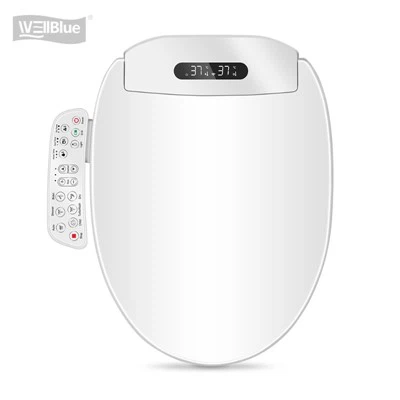
Hey there! I'm a supplier of smart bidet seats, and today I wanna chat about the water quality requirements for these nifty devices.
First off, let's understand why water quality matters for a smart bidet seat. The water that comes out of the bidet is in direct contact with our bodies, so it's super important that it meets certain standards.
1. Physical Characteristics of Water
The physical properties of water play a big role. We need to consider things like turbidity. Turbidity refers to how cloudy or clear the water is. If the water is too turbid, it might contain particles that could clog the nozzles of the bidet seat. For a smart bidet seat, we generally want water with low turbidity. A turbidity level of less than 1 NTU (Nephelometric Turbidity Unit) is ideal. This ensures that the water flows smoothly through the system and doesn't cause any blockages.
Another physical aspect is temperature. Smart bidet seats often come with adjustable water temperature settings. The water should be at a comfortable temperature, usually between 35 - 40 degrees Celsius. This range provides a pleasant and soothing experience for the user. If the water is too cold, it can be a shock, and if it's too hot, it can cause burns.
2. Chemical Composition
When it comes to the chemical composition of water, there are several key factors to consider.


Chlorine
Chlorine is commonly used to disinfect water. While it's important for killing harmful bacteria, too much chlorine can be a problem. High levels of chlorine can cause irritation to the skin and mucous membranes. For a smart bidet seat, the chlorine level should be within a safe range. Typically, a residual chlorine level of 0.2 - 4 mg/L is considered acceptable.
Hardness
Water hardness is determined by the amount of calcium and magnesium ions in the water. Hard water can lead to scale buildup in the bidet seat's pipes and nozzles. Over time, this can reduce the efficiency of the bidet and even cause malfunctions. Soft water, with a hardness level of less than 60 mg/L (as calcium carbonate), is preferred for smart bidet seats. You can use water softeners to reduce the hardness of the water if needed.
pH Level
The pH level of water is also crucial. The ideal pH range for water used in a smart bidet seat is between 6.5 and 8.5. Water with a pH outside this range can be either too acidic or too alkaline, which can cause skin irritation and damage to the bidet's components.
3. Microbiological Quality
Microorganisms in water can pose a health risk. Bacteria, viruses, and other pathogens can cause infections. For a smart bidet seat, the water should be free from harmful microorganisms. The most common indicator of microbiological quality is the presence of coliform bacteria. The water should have less than 1 colony-forming unit (CFU) per 100 mL of coliform bacteria. This ensures that the water is safe for use.
4. Our Product Range and Water Compatibility
As a smart bidet seat supplier, we offer a variety of products that are designed to work well with different water qualities. For example, our U Shape Plastic Toilet Seat is made of high - quality plastic that is resistant to the effects of different water chemicals. It can handle a wide range of water hardness levels without getting damaged.
Our U Shaped Smart Elongated Toilet Seats come with advanced water filtration systems. These systems can remove many of the impurities in the water, ensuring that the water that comes out of the bidet is clean and safe.
And our U Shaped White Panel Bidet Toilet Seats are designed with materials that are not easily corroded by chlorine or other chemicals in the water. They are built to last and provide a great user experience, regardless of the water quality.
5. How to Ensure Proper Water Quality
If you're using a smart bidet seat, there are a few things you can do to ensure the water quality. First, you can install a water filter. A good water filter can remove many of the impurities, including particles, chlorine, and some microorganisms. Second, you can test the water regularly. There are water testing kits available that can help you check the turbidity, pH level, and hardness of the water. If you find that the water quality is not up to par, you can take steps to improve it, such as using a water softener or a de - chlorinator.
Conclusion
In conclusion, the water quality requirements for a smart bidet seat are quite specific. We need to pay attention to the physical, chemical, and microbiological aspects of the water. As a supplier, we've designed our products to be compatible with different water qualities, but it's still important for users to take steps to ensure the water they use is safe and clean.
If you're interested in purchasing our smart bidet seats or have any questions about water quality and bidet seats, feel free to reach out. We're here to help you make the best choice for your needs.
References
- "Water Quality and Health" by World Health Organization
- "Handbook of Water and Wastewater Treatment Technologies" by Peter M. Huck and David W. Smith