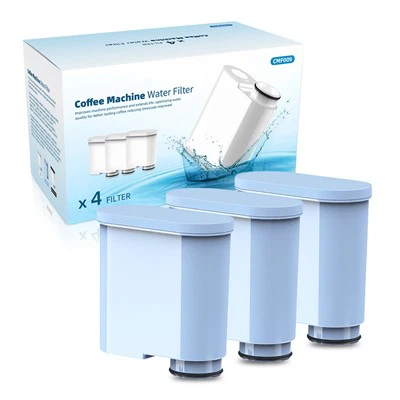
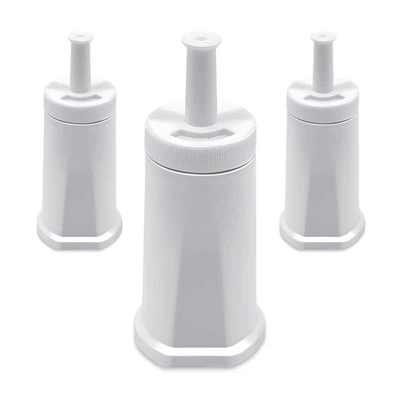
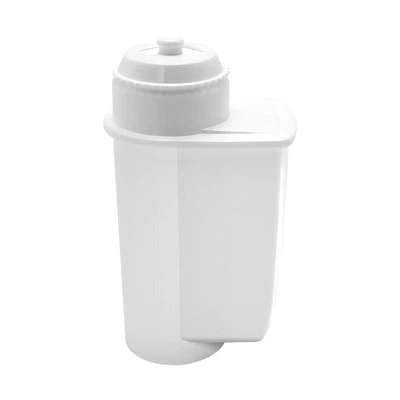
Eco-Friendly Replacement Filters: Efficient Filtration & A Sustainable Choice
When choosing replacement air or water filters, the default choice is often the cheapest option. But what if there was a smarter alternative that not only protects your equipment but also your budget and the planet?
Enter eco-friendly replacement filters. Far from being a niche "green" trend, these advanced filtration solutions represent a wise upgrade for anyone prioritizing both performance and sustainability. They combine superior efficiency with long-term environmental responsibility, delivering tangible value that goes beyond the initial purchase price.
What Exactly Are Eco-Friendly Replacement Filters?
Eco-friendly replacement filters are designed with two core principles:
1. Sustainable Materials: They utilize materials like biodegradable media, recycled plastics for housings, or plant-based components instead of entirely virgin plastics and synthetic fibers.
2. Lifecycle Efficiency: Their design prioritizes energy savings during use, longer service life, and easier, less wasteful disposal or recyclability at end-of-life.
The goal isn't just to filter effectively once; it's to create a system that minimizes environmental impact from production to disposal without compromising performance.
Debunking the Myth: Sustainability Does NOT Mean Sacrificing Efficiency
A common misconception is that "green" products are less effective. In reality, modern eco-friendly filters often outperform their conventional counterparts.
Advanced Media Technology: Many sustainable filters use precision-engineered, pleated media that creates a larger surface area. This results in superior particle capture (higher MERV ratings for air filters, finer microns for water filters) without significantly restricting airflow or pressure.
Energy Savings = Cost Savings: A clogged, inefficient filter forces your HVAC systems or water pumps to work harder, consuming more electricity. High-quality eco-friendly filters maintain optimal airflow for longer, reducing your system's energy consumption by up to 15%. This directly lowers your utility bills.
Longer Lifespan: Durable construction and optimized media mean these filters don't need to be replaced as frequently. This reduces maintenance hassle, time spent on replacements, and the volume of waste sent to landfills.
By choosing an efficient, sustainable filter, you're not just making an ethical choice-you're making a fiscally responsible one.
The Tangible Benefits of Eco-Friendly Filters
For anyone seeking reliable filtration, the advantages of eco-friendly filters are clear and measurable.
1. Reduced Long-Term Costs:
Lower Energy Bills: As mentioned, efficient filtration reduces strain on motors and compressors.
Decreased Disposal Hassle: Fewer filter changes mean less waste to manage and dispose of.
Extended Appliance Life: Cleaner airflow and water protect sensitive equipment from wear and tear, delaying costly replacements.
2. Enhanced Personal and Environmental Impact:
Choosing sustainable products allows you to align your daily choices with environmental values. Highlighting this commitment in your personal habits or shared spaces (like homes, apartments, or community areas) builds trust with others who prioritize sustainability and sets a positive example.
3. A Healthier, More Comfortable Environment:
High-performance air filters remove a greater percentage of dust, pollen, mold spores, and other airborne contaminants. This leads to improved indoor air quality (IAQ), which is linked to:
Reduced illness and allergy symptoms.
Increased focus and comfort.
Enhanced overall well-being for you and those around you.
4. Future-Proofing Your Filtration Routine:
Environmental awareness and regulations are becoming more prominent. By proactively integrating sustainable solutions into your filtration routine today, you adopt habits that align with long-term environmental goals and avoid the need for rushed changes later.
How to Make the Switch: A Practical Guide
Transitioning to eco-friendly filters doesn't have to be complicated. Follow these steps:
1. Audit Your Current Filters: Note the exact size, type (e.g., MERV rating, micron level), and replacement schedule for all filters in use.
2. Identify Reliable Suppliers: Look for manufacturers who provide transparent data on their product's recycled content, biodegradability, and energy-saving certifications (like Energy Star for certain HVAC systems).
3. Start with a Pilot Test: Don't feel pressured to change everything at once. Test a new eco-filter in one key appliance or area. Monitor performance, energy usage, and lifespan compared to the old model.
4. Learn Proper Handling: Familiarize yourself with any differences in handling or disposal procedures (e.g., some eco-filters may be recyclable where conventional ones are not).
Conclusion: An Investment in Performance and Principle
Eco-friendly replacement filters are more than just a component; they are a reflection of your commitment to both quality and the environment. They deliver the high-efficiency filtration necessary to protect your equipment and health while simultaneously driving down long-term costs, supporting sustainable habits, and contributing to a healthier planet.