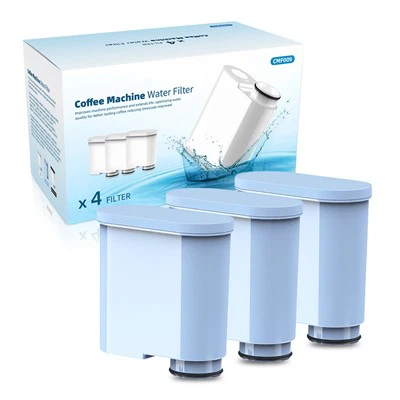
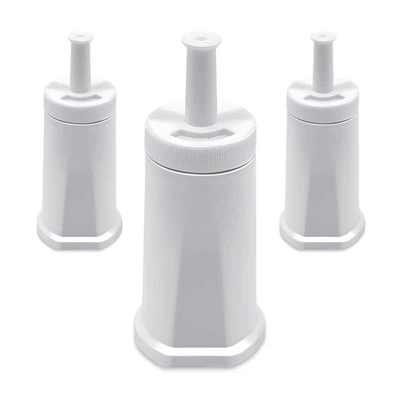
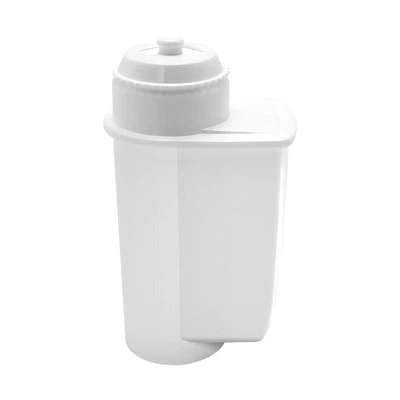
When should you replace your water filters? Protect yourself and your team against contaminated water.
You already have a million things to worry about every day, ranging from daily activities to living expenditures. However, one essential factor is frequently overlooked: the quality of drinking water at work or home. Consider your water filter a silent protector, not an extravagance. It prevents pollutants from entering your coffee, improves its flavour, and offers clean water for cooking or brewing. However, this guardian has a limited lifespan. Pushing it beyond its boundaries might turn your source of water into a liability. Ignoring your water filtration system can result in more than simply unpleasant tasting water; it can also cause health problems, lower productivity, and harm your professional image. So, let us address the critical question: When should you update your water filters?
The Golden Rule: Follow the Manufacturer's Timeline.
The most obvious starting point is the manufacturer's recommendation. Check the filter manual or product specifications. Standard activated carbon filters (common in pitcher filters, fridge filters, and under-sink systems) should be replaced every 6 months, higher-capacity whole-home or point-of-entry systems every 12 months, or after a specific gallonage (e.g., "replace after filtering 500 gallons"). Consider these timescales as a maximum lifespan, not a guarantee. The real longevity is greatly dependent on your water quality and usage. The simplest approach to be safe is to update your water filters on a regular basis.
5 Tell-Tale Signs Your Filter Needs Replacement Immediately
Your water will give you signals. If the taste or odour changes - water tastes "off," metallic, or earthy, or you smell chlorine again - the activated carbon in your filter has been saturated and can no longer neutralise those substances. If the flow rate reduces - water pressure from your filtered tap or dispenser drops to a trickle - a clogged filter is usually to blame; when the filter media absorbs silt and particles, the paths get blocked. If you detect obvious changes in water quality, such as cloudiness or tiny black particles (which could be carbon fines from a failing filter), this is a strong indication that the filter is faulty and must be replaced immediately. If you've observed a change in your incoming water, such as when your municipal water authority issued a boil-water alert or announced maintenance work, higher sediment or pollutant levels can quickly overwhelm a filter. Following such incidents, an early replacement water filter is a prudent, preventative expenditure. And if the indicator light illuminates (contemporary filtration systems, such as those found in refrigerators or smart under-sink units, include built-in alarms), do not disregard it! They are planned depending on time or usage and are the most convenient and dependable reminders.
Why extending your filter's life is a costly mistake.
Trying to save money by delaying a filter change is an example of being "penny wise and pound foolish."" The risks greatly outweigh the expense of a replacement filter cartridge. Health risks: A used filter does not simply stop operating; it can become a breeding ground for bacteria and potentially leach trapped toxins back into your water in larger proportions than before. This can lead to gastrointestinal troubles and other health problems for both you and others around you. Damage to appliances: A clogged filter causes your ice maker, coffee machine, or water dispenser's pump and pipes to work harder, resulting in premature wear and tear and potentially costly repairs. Furthermore, delivering clean, delicious water is a simple but effective method to demonstrate your caring. Bad water can lower morale and make workers feel undervalued. If you host clients or guests, poor water quality or coffee detracts from your commitment to excellence. All of these issues can be avoided by replacing your water filters on a regular basis.
An action plan that you can implement today.
Don't risk your water safety. Take the following steps now: First, audit and document all water filtration devices in your home or business (such as kitchen sinks, refrigerator filters, and water coolers). Take note of their model numbers and recommended replacement schedules. Second, create recurrent reminders on your calendar (phone or work calendar) and delegate responsibility to someone - or simply yourself. Third, prepare ahead of time by stockpiling spare water filters. This reduces delays when a reminder appears and frequently saves money through bulk purchase. Fourth, for larger buildings or sophisticated multi-stage filtration systems, consider working with a water treatment specialist for regular maintenance and monitoring; it is more efficient and dependable.
Conclusion: An Ounce of Prevention.
Replacing your water filters on schedule is a simple operation that has significant implications. It is a direct investment in your health, equipment longevity, and professional image. Moving from a reactive ("the water tastes bad") to a proactive ("scheduled maintenance") attitude demonstrates care and responsibility. You're not just changing a filter; you're safeguarding one of your most valuable assets while also creating a healthier, more comfortable environment for yourself and people around you. Protect yourself and your teammates. Protect your life and career. Schedule your next set of replacement water filters now.