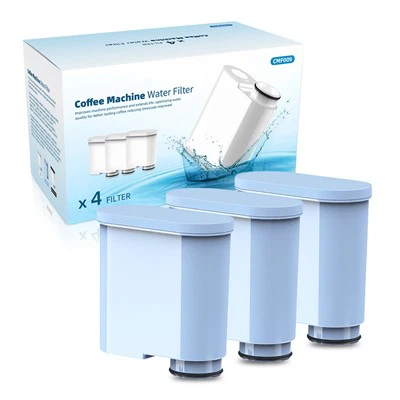
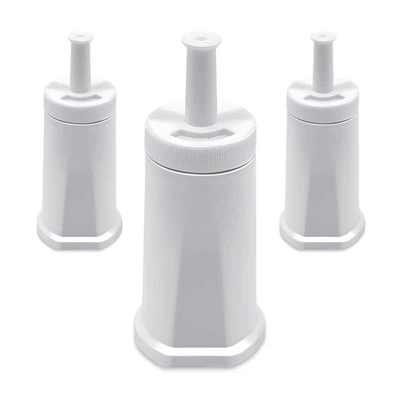
Water treatment equipment is an indispensable component of modern industrial, municipal, and domestic water management. Its core function is to remove impurities, pollutants, and harmful substances from water through physical, chemical, or biological methods, thereby providing water quality standards that meet specific application requirements. These devices are widely used in drinking water purification, industrial cooling circuits, wastewater treatment, and seawater desalination. Their functional foundation determines the overall efficiency and reliability of water treatment systems.
1. Filtration and Separation Functions
Filtration and separation are among the most fundamental functions of water treatment equipment. They primarily remove large particles, such as suspended particles, silt, and rust, from water through physical means. Common filtration technologies include sand filtration, activated carbon filtration, microfiltration (MF), and ultrafiltration (UF). Sand filtration utilizes layers of filter media of varying particle sizes to capture suspended matter, while activated carbon removes organic matter, residual chlorine, and odors through adsorption. Microfiltration and ultrafiltration utilize membrane technology to capture smaller particles, such as bacteria and colloids, further enhancing water clarity.
2. Softening and Mineralization Functions
The calcium and magnesium ions in hard water can cause scaling in pipes, corrosion in equipment, and reduced washing efficiency. Therefore, water treatment equipment is often equipped with a softening function. Ion exchange resins replace the calcium and magnesium ions in hard water with sodium ions, thereby reducing water hardness. In addition, some high-end equipment also features a mineralization function, replenishing beneficial minerals such as calcium, potassium, and magnesium while purifying the water, ensuring healthy drinking water.
3. Disinfection and Sterilization Functions
Microbial contamination is a significant safety concern for drinking water and industrial water. Therefore, water treatment equipment often integrates disinfection and sterilization functions. Common disinfection methods include ultraviolet (UV) disinfection, ozone (O₃) oxidation, and chemical chlorination (such as sodium hypochlorite). UV light inactivates microorganisms by damaging their DNA, while ozone, with its strong oxidizing properties, effectively kills bacteria, viruses, and spores. Chemical disinfection is suitable for large-scale water treatment systems, but residual levels must be strictly controlled to ensure safety.
4. Heavy Metal and Chemical Pollutant Removal Function
Industrial wastewater and some groundwater may contain heavy metals or organic pollutants such as lead, mercury, and arsenic, which pose serious threats to human health and the ecological environment. Water treatment equipment effectively removes these pollutants through reverse osmosis (RO), nanofiltration (NF), and advanced oxidation processes (AOPs). RO membranes can retain over 95% of dissolved salts and organic matter, while AOPs break down recalcitrant organic compounds using hydroxyl radicals (·OH).
5. Intelligent and Automated Functions
Modern water treatment equipment is increasingly incorporating intelligent and automated technologies. Sensors monitor water quality parameters (such as pH, turbidity, and conductivity) in real time, automatically adjusting operating conditions to ensure stable treatment results. Some equipment also features remote monitoring systems, facilitating real-time management by operators and improving system reliability and energy efficiency.
Conclusion
The fundamental functions of water treatment equipment encompass filtration, softening, disinfection, pollutant removal, and intelligent control. Their design requires targeted optimization based on specific application scenarios (such as drinking water, industrial water, or wastewater reuse). With the advancement of technology, water treatment equipment is developing towards greater efficiency, greater environmental protection and greater intelligence, providing key support for the sustainable use of global water resources.