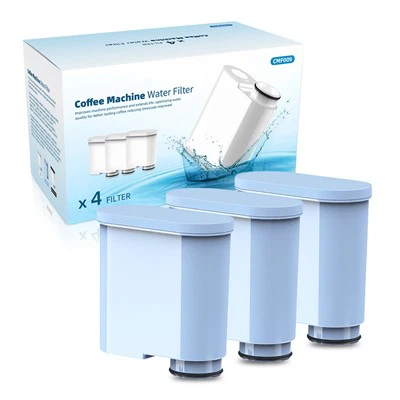
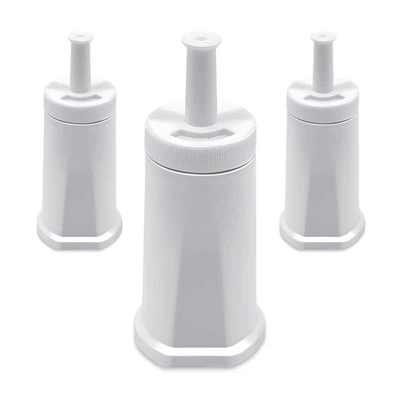
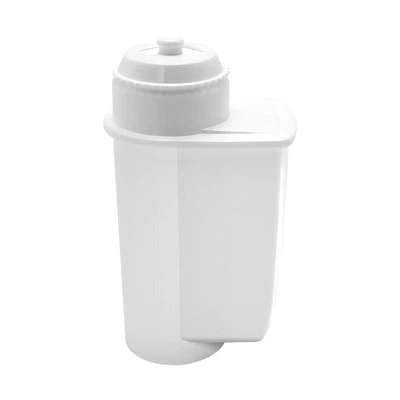
In today's society, with the acceleration of industrialization and the increasing prevalence of environmental pollution, drinking water safety has become a global concern. As an efficient and convenient water purification device, water filters are becoming an indispensable component of modern households. This article will delve into the working principles, technology types, key considerations for purchasing water filters, and their important role in improving quality of life.
The core function of a water filter is to remove impurities, pollutants, and harmful substances from water through physical, chemical, or biological methods, thereby providing safer and healthier drinking water. Its operating principle is based on a multi-layered filtration system, typically consisting of pre-filtration, activated carbon adsorption, reverse osmosis membrane filtration, and post-mineralization. Each filtration layer targets specific pollutants, forming a complete water purification system.
Based on technology type, mainstream water filters on the market can be categorized into activated carbon filters, ultrafiltration filters, reverse osmosis filters, and ultraviolet disinfection filters. Activated carbon water filters primarily remove chlorine, odor, and some organic pollutants from water through adsorption, making them a relatively basic and economical purification solution. Ultrafiltration water filters utilize a 0.01-micron pore size membrane, effectively trapping large particles like bacteria, rust, and colloids while retaining beneficial minerals. Reverse osmosis water filters utilize semi-permeable membrane technology, which, under pressure, allows only water molecules to pass through. This removes nearly all dissolved salts, organic matter, and microorganisms from the water, providing near-pure water quality, but may also filter out beneficial minerals. Ultraviolet sterilization water filters use ultraviolet light to destroy the DNA structure of microorganisms, achieving sterilization and disinfection, and are often used as a supplement to other filtration technologies.
When choosing a water filter, consumers should consider several key factors. First, it's important to understand the local water quality. Water quality issues vary by region. For example, northern regions may face issues with high water hardness, while southern regions are more concerned about heavy metal and microbial contamination. Secondly, choose the appropriate technology based on your family's specific needs. For example, families with infants and young children may prefer a mineral-retaining filtration solution, while areas with severe industrial pollution may require deep purification at the level of reverse osmosis. Furthermore, the filter lifespan, maintenance costs, brand reputation, and after-sales service are important considerations. It's worth noting that there are many exaggerated claims about products on the market. Consumers should be cautious about concepts like "alkaline water" and "magnetized water" and prioritize products certified by reputable organizations.
Proper use and maintenance of a water filter directly impact its purification effectiveness and lifespan. Regular filter replacement is crucial for maintaining filtration performance. Most water filters feature a filter replacement reminder, and users should strictly follow the manufacturer's recommended intervals. The installation location should be protected from direct sunlight and high temperatures, and the water inlet pressure should be within the device's recommended range. Before reactivating a system after an extended period of inactivity, it's recommended to flush the system to remove any accumulated contaminants. For reverse osmosis water filters, it's also important to pay attention to the wastewater ratio and repurpose the concentrated water for non-drinking purposes.
From a broader perspective, water filters are not only a guardian of personal health but also a crucial component of sustainable water resource utilization. Pre-treatment at home can reduce the load on public water supply systems and extend the life of pipeline infrastructure. Furthermore, compared to bottled water consumption, water filters significantly reduce plastic waste, offering significant environmental advantages. With continuous technological advancements, modern water filters are becoming more intelligent, integrated, and energy-efficient. Some high-end products now feature real-time water quality monitoring, filter life prediction, and remote control via mobile apps.
In summary, water filters play an irreplaceable role in ensuring household drinking water safety and improving quality of life. Faced with a wide variety of products on the market, consumers should make rational choices based on scientific knowledge and develop proper usage and maintenance habits. With increasing public health awareness and continuous innovation in water treatment technology, water filters will undoubtedly play an even more important role in future household life, providing a solid foundation for healthy drinking water.