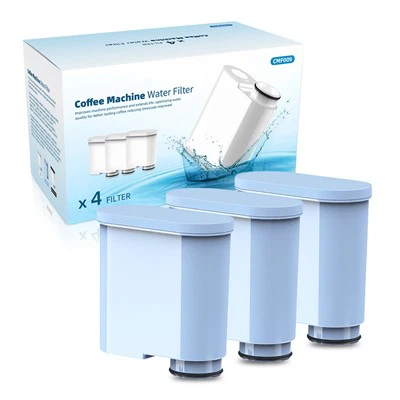
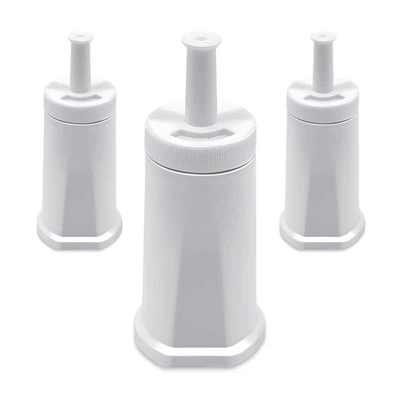
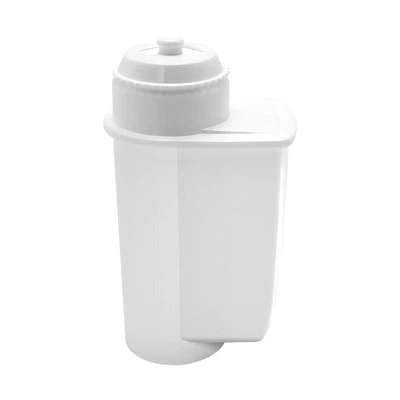
As a common water purification device in modern homes and offices, the appearance of water filters not only influences their practicality but also directly impacts the user's aesthetic experience and user experience. With advancements in design concepts, the appearance of water filters has evolved from a purely functional structure to a complex blend of technological sophistication, minimalist aesthetics, and user-friendly design.
Overall, water filters typically feature a compact and streamlined design to adapt to various installation environments. Countertop water filters are often cylindrical or rectangular in shape, with clean, flowing lines that save space and facilitate operation. Some high-end products feature rounded corners to avoid sharp edges, enhance safety, and enhance a softer visual effect. Wall-mounted water filters prioritize vertical structural stability, often featuring a more squared-off housing. However, through sophisticated material treatments and color combinations, they maintain an elegant appearance.
In terms of material selection, water filter housings are often made of high-strength plastic, stainless steel, or fiberglass composites to ensure durability and corrosion resistance. Plastic housings often feature a matte or high-gloss finish, creating a delicate touch and easy cleaning. Stainless steel lends the product a modern, industrial feel, perfect for those seeking a minimalist aesthetic. Some high-end water filters also feature a matte coating or brushed metal finish, further enhancing the product's quality and premium feel.
In terms of color, water filters are typically designed with white, gray, or black as the primary color palette – neutral tones that blend easily into any home. In recent years, some brands have begun offering customized color schemes, such as light blue, olive green, or champagne gold, to suit diverse consumer preferences. Furthermore, transparent or translucent features (such as the filter compartment) not only enhance the product's technological appeal but also allow users to visually check the filter status, boosting user confidence.
Detailed design is also an important part of a water filter's appearance. Many products feature LED indicators to display water quality or filter life, typically in subdued, non-glare colors. Control buttons and interfaces are strategically arranged, ensuring ease of use without disrupting the overall aesthetic. Some high-end models even feature touchscreens or stepless knobs for a more interactive experience.
In short, the appearance of a water filter is not only a combination of function and aesthetics, but also a reflection of the brand's design philosophy. Through the appropriate form, material, color, and detailed treatment, modern water filters not only provide efficient water purification, but also become an important component of the home environment, combining practicality and aesthetics.