In modern society, clean, safe drinking water is not only a basic necessity but also a crucial criterion for quality of life. As a key device for ensuring water quality, the value of water filters goes far beyond simple functionality. They profoundly impact individual and societal development from multiple perspectives, including health protection, economic savings, and environmental protection.
Health protection is the core value of water filters. Although tap water undergoes basic treatment, it may still contain traces of heavy metals (such as lead and mercury), residual chlorine, microorganisms, or industrial pollutants. Long-term consumption of such water can lead to chronic diseases, especially for children, pregnant women, and those with weakened immune systems. Water filters use multi-stage filtration technologies (such as activated carbon adsorption and reverse osmosis membrane separation) to effectively remove over 99% of harmful substances, elevating water quality to drinking water standards and preventing health risks at the source. A World Health Organization study shows that improving drinking water quality can reduce the incidence of waterborne diseases such as diarrhea by over 50%, highlighting the public health significance of water filters.
The economic and environmental benefits are equally significant. Compared to bottled water, water filters provide a continuous and stable source of clean water at a significantly lower long-term cost (approximately a few hundred yuan per year), reducing plastic waste and contributing to the development of a circular economy. A single household water filter can replace thousands of bottles of plastic-packaged water annually, reducing carbon emissions while also saving household expenses. For commercial spaces (such as restaurants and office buildings), water filtration systems can significantly reduce operating costs through large-scale filtration.
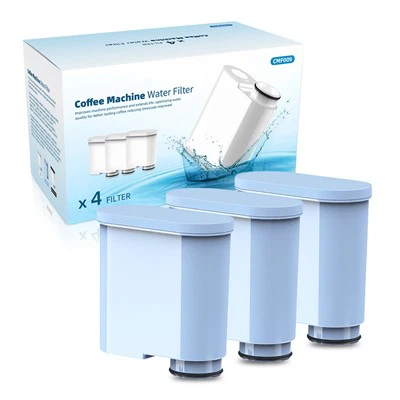
In addition, water filters indirectly enhance convenience and user experience. Impurity-free and odor-free drinking water improves cooking taste and protects water-related appliances (such as water heaters and coffee makers) from scale corrosion, extending their lifespan. In areas with poor water quality, water filters are even essential for basic survival.
From individual health to societal sustainability, the value of water filters lies in their comprehensive impact on quality of life. With technological advancements and growing environmental awareness, this everyday tool will continue to evolve, becoming an indispensable "invisible guardian" in modern life.