Reverse osmosis (RO) water purifiers have become a mainstream choice for home drinking water purification due to their highly efficient filtration capabilities. After years of use, I have summarized some practical experiences for consumers' reference.
The filtration effect is remarkable, but the wastewater ratio should be noted.
The pore size of the reverse osmosis membrane is extremely small, effectively removing bacteria, viruses, heavy metals, and most dissolved salts from water, making the filtered water almost potable. However, the wastewater ratio (the ratio of pure water to wastewater) of RO water purifiers is a critical indicator. Early products often had a wastewater ratio of 1:3, meaning that for every cup of pure water produced, three cups of wastewater were discharged. With technological advancements, mainstream models have increased their wastewater ratios to 1:1 or even 2:1, significantly reducing water waste. When purchasing, it is recommended to prioritize models with a high wastewater ratio and regularly check the wastewater valve for proper function.
Filter Lifespan and Maintenance Costs
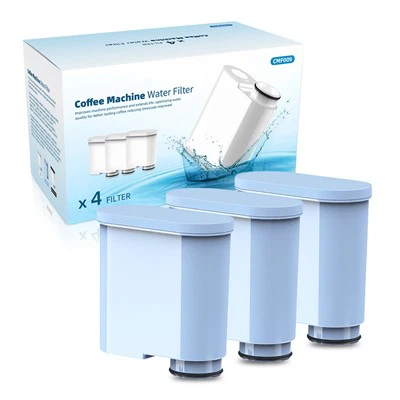
The core filter element of an RO water purifier consists of PP cotton, activated carbon, and a reverse osmosis membrane. The reverse osmosis membrane typically has a lifespan of 2-3 years, but in actual use, it's significantly affected by water quality. If the TDS (total dissolved solids) value of the raw water is too high, the membrane may clog prematurely. It's recommended to test the outlet TDS value every six months. If it increases significantly (e.g., exceeding 50 ppm), consider replacing the filter element. Additionally, the pre-filter elements (PP cotton and activated carbon) should be replaced every 3-6 months to prevent bacterial growth and affect taste. When not in use for extended periods, turn off the power and rinse the filter element to prevent the membrane from drying out.
Installation and Usage Precautions
During installation, ensure stable inlet water pressure (generally 0.1-0.4 MPa). If the water pressure is insufficient, a booster pump may be required. Some models include a water storage tank, which reduces water pressure but increases the risk of secondary contamination. Tankless designs are more hygienic but rely on a pump. For daily use, it's recommended to install a post-activated carbon filter at the water outlet to improve taste, and regularly maintain the RO membrane with a dedicated cleaning agent.
Purchasing Recommendations
Preferably choose brands with NSF or TÜV certification to ensure reliable filtration performance. If you have children or elderly people in your household, it's recommended to choose a product with a TDS control function to avoid excessive filtration and mineral loss in the water. Additionally, pay attention to after-sales service; the ease of filter replacement directly impacts the long-term user experience.
In short, reverse osmosis water purifiers are an effective tool for improving drinking water safety, but proper maintenance and informed selection can maximize their value.