Quick answer: NSF/ANSI 42, 53, and 58 address different water-treatment categories and claims. A certification must match the exact model, configuration, and listed reduction claim. A standard number on a brochure does not mean the product reduces every contaminant covered by that standard.
An OEM buyer may receive a certificate for filter media when the purchase is a complete cartridge. Another supplier may show a related model with a different flow rate or replacement element. Both situations need clarification before the claim enters packaging or product content.
This guide turns water filter certification into a document-matching task. It explains the distinctions among the standards and the questions that help prevent unsupported claims in an overseas supply program.

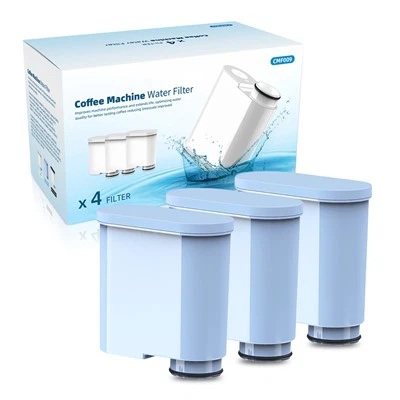
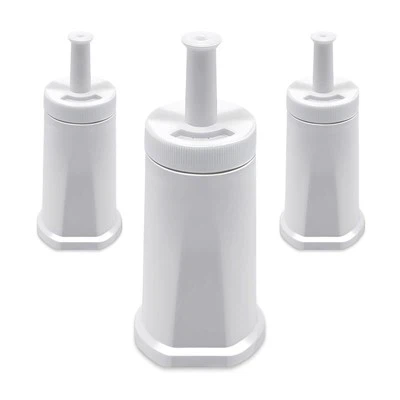
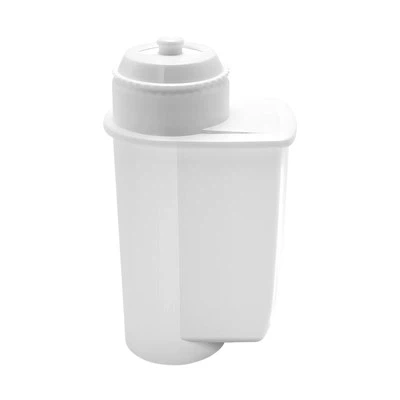
Product reference: wellbluetech.com. Image illustrates equipment or material context, not a test result.
What water filter certification covers
NSF describes NSF/ANSI 42 as addressing aesthetic effects, such as specific taste and odor or other listed claims. NSF/ANSI 53 covers specified health-effect reduction claims. NSF/ANSI 58 applies to reverse osmosis drinking-water treatment systems.
The important word is "specified." Not every product certified under a standard has every possible reduction claim. Consult the listing and performance data for the particular system, cartridge, or component.
Water filter certification also has a defined scope. A material or component evaluation is different from a complete system's performance claim. This distinction matters when a factory combines approved parts into a new private-label configuration.
Technical references: NSF: water treatment standards; NSF: official treatment-unit listings. Use the applicable project requirements and current product instructions.
Checks before accepting water filter certification
Match the model and configuration
Compare the purchase-order model with the current official listing. Check the legal manufacturer, brand, model identifiers, replacement cartridge, and any stated operating restrictions.
For an OEM name change, ask how the private-label model is covered. Similar appearance or shared media does not automatically transfer water filter certification to another product label or an altered assembly.
Read the individual reduction claims
Identify the contaminant or aesthetic issue that the buyer actually needs addressed. Then verify that the exact model carries the corresponding listed claim and observe the rated capacity and flow conditions.
Do not replace this check with a general statement such as "NSF certified water." The listing applies to a defined product and scope, and it does not establish the quality of every source water that might be connected to it.
Preserve the approved bill of materials
Record the cartridge, housing, seals, connections, and any other components relevant to the approved configuration. Ask what change-control process applies if a material or supplier is substituted.
A cost-saving change can alter the basis of the original claim. Water filter certification should therefore be reviewed with engineering and purchasing, rather than treated as a document that remains valid for any future version.
Common water filter certification claim errors
"Certified to 42, therefore it removes lead." A claim associated with another standard or model cannot be inferred from an aesthetic certification. Verify the actual reduction listing.
"The carbon supplier is certified, so the finished filter is certified." Media documentation can be relevant to qualification, but it does not automatically establish the complete cartridge's performance scope.
"The logo is enough." Identify the certifying organization and verify its current listing. Ask for clarification when the certificate, listing, product label, and invoice use different model names.
A practical comparison for procurement
| Standard | General focus | What the buyer must still verify |
|---|---|---|
| NSF/ANSI 42 | Aesthetic effects | Exact listed claims, model, capacity, and flow |
| NSF/ANSI 53 | Health-effect reduction | Specific contaminant claims and operating limits |
| NSF/ANSI 58 | RO treatment systems | System configuration and listed performance |
| Component documentation | Defined component scope | Whether the complete product claim is covered |
NSF's own standards guidance and official product listings are the starting references. Use the edition and market requirements applicable to the project without presenting this comparison as a substitute for certification review.
Application scenarios and supplier document control
For a coffee-machine cartridge program, first define the actual objective: taste management, scale-related treatment, or another specified function. Then review the Saeco and Philips coffee machine water filter configuration against the machine interface and the evidence available for its exact claims.
Do not infer a particular certification for that product from the educational discussion here. Ask the supplier for the relevant listing, model coverage, operating conditions, and private-label documentation before using any certification wording.
A practical approval file contains the current listing reference, approved artwork, cartridge identification, performance data, and a written change-notification requirement. Record who checks the listing again before the first production shipment and after a proposed specification change.
Water filter certification is useful only when the shipped configuration matches the documented one. Incoming inspection should therefore compare labels and component identity, not merely count the number of documents in the shipment folder.
Check the artwork against the evidence file
Technical approval and packaging approval should use the same model identity. A correct document can still be misrepresented when a designer shortens its wording or combines claims from several product variants.
| Artwork statement | Evidence question |
|---|---|
| Standard number or certification mark | Is its use authorized for this exact marketed product? |
| Contaminant reduction wording | Is the individual claim included in the listing? |
| Rated capacity and flow | Do they match the listed conditions and instructions? |
| Replacement cartridge reference | Is the stated element the approved one? |
| Private-label model name | Is its coverage documented rather than assumed? |
Suppose a supplier provides evidence for a complete system with a particular replacement cartridge. A buyer then changes that cartridge's media or uses another housing while retaining the original marketing text. The earlier file does not automatically establish that the revised configuration supports the same claim.
Resolve the change before shipment through the appropriate manufacturer and certification process. Do not ask the artwork team to make the mismatch disappear by removing a model suffix or broadening the product description.
Keep a controlled copy of the approved label, instructions, listing reference, and purchase configuration. Assign responsibility for reviewing updates or substitutions. This is especially useful when several regional distributors use different brand names, because it keeps a shared technical product from acquiring inconsistent or unsupported claims as sales materials are localized.
Frequently Asked Questions
Does NSF/ANSI 53 mean every contaminant is removed?
No. Certification relates to specified reduction claims for the listed product. Read the individual claims and operating conditions rather than treating the standard as a universal removal guarantee.
Is NSF/ANSI 58 the same as NSF/ANSI 42?
No. Standard 58 concerns RO treatment systems, while standard 42 addresses aesthetic effects. A particular product's claims depend on its listing and configuration.
Can a certified cartridge be installed in any housing?
Do not assume so. Check the certified configuration and the manufacturer's compatibility requirements. A different housing or flow path may fall outside the documented scope.
How can I verify water filter certification?
Use the certifying body's current official listing and match the exact model, manufacturer, and claims. If identifiers differ, resolve the discrepancy before approving artwork or shipment.
Does private labeling preserve certification automatically?
Not automatically. Ask how the private-label model is included within the applicable listing and what authorization or additional review is required.
What happens when a supplier changes the media?
Review the change against the certification scope and approved configuration. Obtain the required confirmation before accepting the revised product or continuing the same performance claims.
Conclusion
Verify water filter certification by matching model, configuration, and individual claims. For a cartridge project, use the Saeco and Philips coffee machine water filter product details to define the purchased assembly, then confirm the evidence required for the claims you intend to publish.