Quick answer: A brief rise in the first RO water reading after idle time may be TDS creep, but sustained high readings require a different investigation. Compare feed water, the first draw, and stabilized membrane permeate at known sampling points. Do not judge membrane condition from one cup taken after storage.
A distributor receives a complaint that a new purifier shows a high number every morning, then appears normal later. Replacing the membrane without preserving that pattern can waste a part and leave the explanation unresolved.
This guide explains RO TDS creep and how to separate it from sampling errors, storage effects, and a persistent loss of separation. The aim is a useful service record, not a drinking-water safety judgment based on a handheld meter.

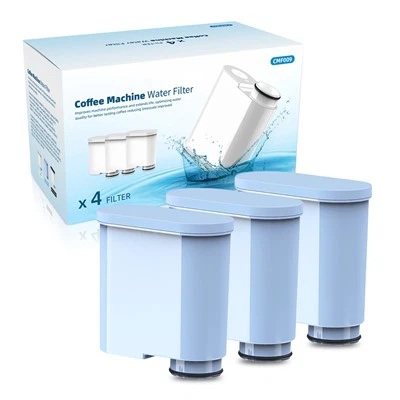
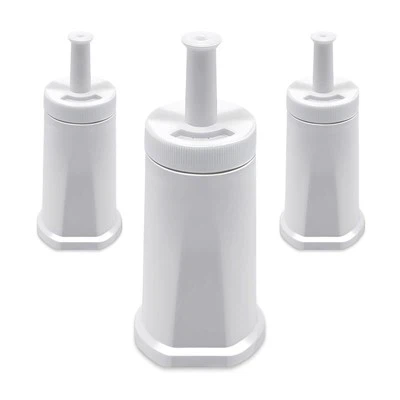
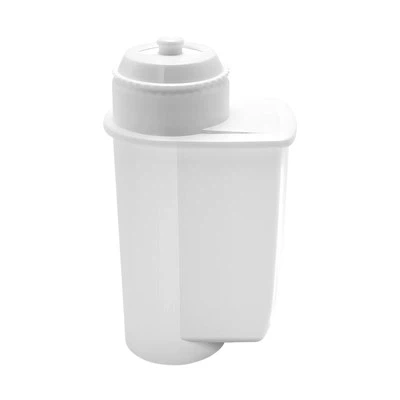
Product reference: wellbluetech.com. Image illustrates equipment or material context, not a test result.
What is RO TDS creep?
Reverse osmosis uses pressure to separate a lower-salinity permeate stream from the feed. When operation stops, conditions around the membrane change, and dissolved salts can influence the small volume of water remaining on the permeate side.
After restart, that retained water can produce a higher initial conductivity or estimated TDS reading before fresh production stabilizes. The size and duration depend on system design and operating conditions; there is no universal first-cup number that proves normal operation.
DuPont's membrane technical information identifies TDS creep among the issues considered when evaluating membrane systems. The concept is useful, but an industrial membrane reference does not establish the permitted readings for every countertop purifier.
Technical references: DuPont: membrane technical information; DuPont: reverse osmosis principles. Use the applicable project requirements and current product instructions.
How to investigate RO TDS creep
Identify exactly where the sample came from
Draw a simple flow path showing membrane permeate, storage, post-filters, mineral cartridges, and the dispensing point. A sample downstream of a mineral stage does not represent membrane permeate alone.
Use clean containers and a checked meter, and record temperature as instructed by its manufacturer. Avoid comparing an immediately measured cold sample with a warm sample taken later without considering the measurement conditions.
Record a sequence rather than a single number
After a documented idle period, measure the first draw and successive samples using an agreed procedure. Record time or dispensed volume, feed conditions, and whether the system was producing during each sample.
RO TDS creep is a hypothesis supported by the shape of the sequence. If readings do not settle, or if the stabilized result remains outside the product's documented performance, investigate beyond an idle-time explanation.
Compare stabilized feed and permeate
For membrane evaluation, collect comparable feed and permeate measurements at the appropriate points after stabilization. An illustrative rejection calculation is (feed TDS − permeate TDS) ÷ feed TDS × 100, provided the measurements and sampling arrangement are suitable.
For example, 300 ppm feed and 15 ppm permeate give 95% apparent rejection. This arithmetic example is not an acceptance limit or a product performance claim; use the membrane and system's documented test conditions to interpret it.
Common service mistakes with RO TDS creep
Calling every high first reading a failed membrane. Preserve the first-draw pattern before changing parts. A retained-water effect differs from continuously poor separation.
Sampling after a mineral cartridge. A downstream stage can change conductivity intentionally. RO TDS creep cannot be assessed fairly if the sampling point changes between tests.
Treating low TDS as a safety certificate. Conductivity-based meters do not establish microbiological quality or every contaminant concentration. Product maintenance and water-quality requirements need their own evidence.
Idle-time effect vs. persistent high permeate TDS
| Observation | Initial check | Next useful evidence |
|---|---|---|
| High first draw, then lower readings | Idle duration and retained water | Repeatable sample sequence |
| High result after a mineral stage | Sampling location | Sample before that stage if safely accessible |
| Persistently high membrane permeate | Feed, pressure, membrane and seals | Stabilized comparison under specified conditions |
| Different results from different meters | Measurement procedure | Calibration and identical samples |
RO TDS creep should not become a catch-all answer for every complaint. Retain evidence that distinguishes a temporary restart condition from a sustained change.
Application scenarios and OEM acceptance
For a countertop instant-heating RO water purifier, include both first-use and overnight-idle checks in the sample qualification plan. Verify how the display obtains its reading, because an internal sensor and a handheld sample may observe different points or moments.
An OEM report should identify the complete filter arrangement, feed water, operating pressure, idle duration, sample volumes, and replacement-part history. If the appliance has automatic flushing, record its actual behavior rather than assuming that every model runs the same sequence.
For a service comparison, keep one original sample configuration and change only the suspected component. A revised mineral cartridge, altered storage volume, and new membrane installed together would make it difficult to determine why the reading changed.
Use a sample sequence that can be repeated
A service record should distinguish the appliance's displayed value from the measured water samples. Both may be useful, but the comparison needs their locations and timing.
| Sequence item | Information to preserve |
|---|---|
| Feed sample | Sampling point, temperature, and meter reading |
| First dispensing sample | Idle duration and amount collected |
| Subsequent samples | Time or volume since restart and operating state |
| Stabilized membrane sample if accessible | Approved sampling point and comparable conditions |
| Appliance display | Sensor location or documented display behavior |
Consider a purifier whose outlet includes a mineral cartridge. The first cup after storage and a later membrane-permeate sample can differ for more than one reason. Comparing them without a flow diagram confuses the membrane question with the downstream arrangement.
A useful trial keeps the same sampling points and measures a sequence before changing components. If a membrane is then replaced under the approved service procedure, repeat that sequence with the same feed and system arrangement as far as practical. Otherwise, the change in result may have several explanations.
Set the acceptance criteria from the product documentation and agreed application requirements before interpreting the trace. A meter's ability to display a small number is not the same as a demonstrated contaminant reduction claim. Escalate persistent out-of-specification behavior with the full sequence and service history, rather than sending a single first-cup photograph as the complete case.
Frequently Asked Questions
Does RO TDS creep mean the membrane is damaged?
Not by itself. A temporary first-draw effect and a persistent separation problem need different evidence. Compare the sampling sequence and stabilized membrane performance before replacing a part.
How long should I flush the system?
Follow the appliance and membrane instructions. The appropriate procedure depends on the design, idle condition, and service situation; a generic number of seconds is not a reliable acceptance rule.
Can a mineral filter raise the TDS reading?
Yes, a mineral stage can change dissolved-ion content. Confirm the flow path before comparing a dispensing-point sample with a membrane-permeate specification.
Can TDS identify whether water is safe to drink?
No. It is an estimated dissolved-solids indicator and cannot replace the relevant contaminant testing, hygiene controls, or maintenance requirements.
What should an overseas buyer request from the factory?
Ask for the sampling diagram, stated test conditions, idle-time behavior, flushing instructions, and service troubleshooting procedure. Request results for the exact filter configuration being purchased.
Should the first-draw value appear in acceptance testing?
If first-draw behavior matters to the application, define it explicitly. Record it separately from stabilized membrane performance so neither result is used to misrepresent the other.
Conclusion
Investigate RO TDS creep with consistent sampling points and a recorded restart sequence. Use the countertop instant-heating RO water purifier configuration as the equipment reference, and compare stabilized results with documented test conditions before approving a membrane replacement.