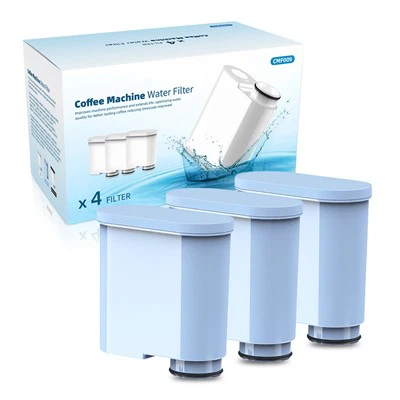
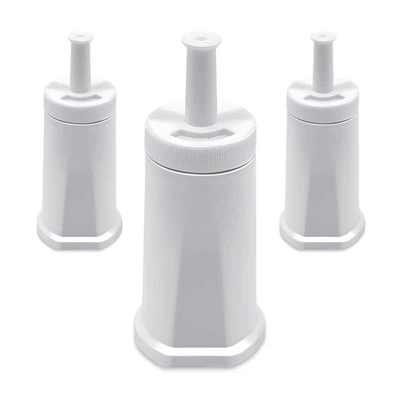
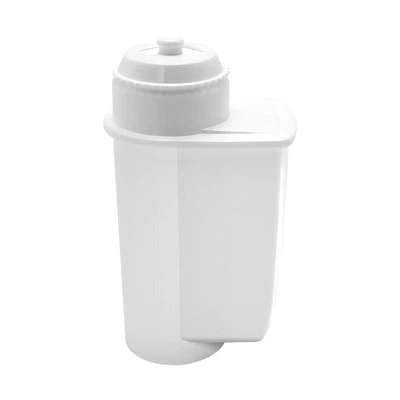
Replacement Water Filters Buying Tips: Prioritize Filtration & Convenience
Introduction
Business operations involve numerous competing priorities, and office water coolers or breakroom filtration systems often remain low-priority until malfunctions occur. Selecting the right replacement water filter is more than a routine appliance maintenance task-it is an investment in team health, productivity, and a company's bottom line. Poor choices can lead to subpar water quality, frequent maintenance challenges, and unexpected costs.
Part 1: Prioritizing Filtration Performance – Identifying Target Contaminants
The core function of a water filter is contaminant removal, but filtration capabilities vary significantly across products. Understanding the composition of the water supply and specific filtration needs is essential before purchasing. Step 1: Know the source water. Municipal water suppliers provide annual Consumer Confidence Reports (CCR) detailing contaminants in local water supplies; at-home test kits offer a more immediate overview. Common concerns include chlorine & chloramines (which affect taste and odor), sediments (sand, silt, rust), heavy metals (lead, mercury, copper), and volatile organic compounds (VOCs) from industrial processes. Step 2: Match filter technology to contaminants. Once contaminants are identified, select technology certified by reputable organizations like NSF International. A practical guide is as follows: for bad taste and odor caused by chlorine, activated carbon block filters meeting NSF/ANSI 42 are recommended; for sediment and particles, sediment filters complying with NSF/ANSI 42 work effectively; for specific health contaminants such as lead, VOCs, and pesticides, activated carbon block, catalytic carbon, or reverse osmosis (RO) filters meeting NSF/ANSI 53 are suitable; for dissolved solids (TDS), reverse osmosis (RO) membranes adhering to NSF/ANSI 58 are ideal. A key takeaway is avoiding generic "water filters" and investing in cartridges specifically designed to target impurities relevant to the location and needs, ensuring the health and safety of employees and guests.
Part 2: Maximizing Operational Convenience – Streamlining Maintenance
For small-to-medium enterprises (SMEs), time efficiency directly impacts profitability. High-performance filters requiring complex, 30-minute professional installations every six months lack practical convenience; solutions minimizing downtime and labor input are essential. Factor 1: Ease of installation and replacement. Opt for user-friendly filter systems, such as those with push-and-twist (quick-change) connections-these are considered the gold standard for convenience, requiring no tools, avoiding mess, and eliminating confusion. Products should also include clear, visual instruction guides. Additionally, weigh the trade-offs between universal fit and proprietary cartridges: systems using standard-sized filters (e.g., 10-inch housings) offer brand flexibility, while proprietary designs lock users into a single manufacturer. Consider the initial convenience of proprietary systems against the long-term cost-effectiveness and flexibility of universal options. Factor 2: Filter lifespan and cost-per-gallon. Cheaper filters requiring replacement every three months may prove more costly over time than premium filters lasting a full year. Check the gallon capacity and time-based lifespan (e.g., 6 months) of filters, and calculate the cost-per-gallon using the formula: (Filter Price) / (Total Gallon Capacity) = Cost-Per-Gallon to compare models objectively. Longer lifespans reduce purchase frequency, minimize inventory management efforts, and lower the risk of missed replacements. Factor 3: Availability and supply chain reliability. Delays in obtaining critical replacements (e.g., 8-week backorders) disrupt operations. Stick to reputable brands with reliable supply chains; many suppliers offer subscription services that automatically ship new filters prior to need, ensuring convenience and preventing missed replacements.
The Smart Buyer's Checklist: Filtration Meets Convenience
Before finalizing a purchase, complete the following checklist: 1. Filtration verified: Does the filter hold NSF/ANSI certification (Standards 42, 53, or 58) for the specific contaminants requiring removal? 2. Compatibility confirmed: Does the model number exactly match the existing system? (Refer to the manual or old filter housing) 3. Installation effort assessed: Does the filter feature a quick-change design? Are necessary tools available if not? 4. Lifespan & value calculated: Has the cost-per-gallon been compared against other qualified options? 5. Supply chain secure: Is the filter from a well-known brand with readily available inventory? Is a subscription service available?