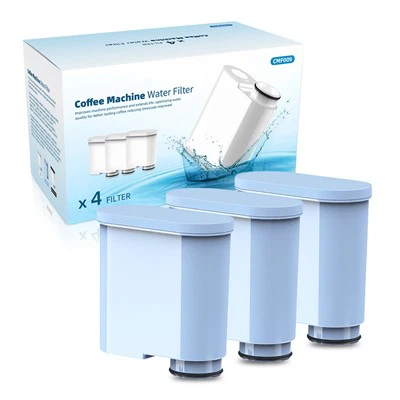
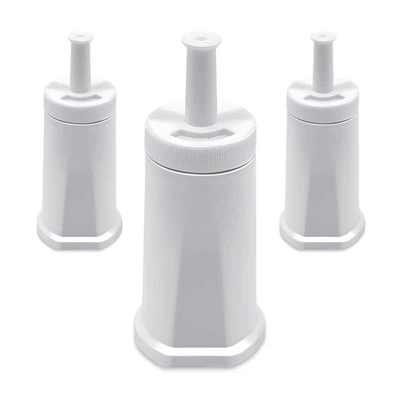
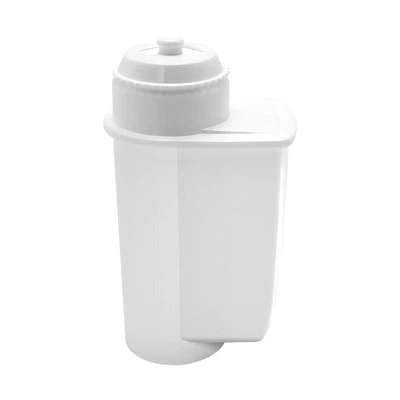
Universal Replacement Filters: The Smart Path to Perfect Fit & Unmatched Filtration
Introduction
Balancing performance with budget is a core priority in business operations. In critical areas such as HVAC system maintenance, air quality control, and water filtration, this balance often hinges on one essential component: the filter. Using high-quality filters is non-negotiable for protecting equipment, ensuring a safe environment, and maintaining efficiency-but many businesses overspend on branded OEM (Original Equipment Manufacturer) filters unknowingly. A smarter, more versatile solution exists: universal replacement filters.
What Are Universal Replacement Filters?
Unlike OEM filters designed for specific brands or models, universal replacement filters are engineered for flexibility. Manufactured to standard industry dimensions and performance specifications, they fit a wide range of systems from different manufacturers. These "one-size-fits-most" solutions do not compromise on quality; through clever design features like adjustable tracks or multiple nominal size listings, they can seamlessly replace many proprietary models.
4 Compelling Benefits for Businesses
Adopting or incorporating universal filters is more than a convenience-it is a strategic business decision with four key benefits. First, it delivers significant cost savings: bypassing the "brand name tax" associated with OEM parts, universal filters are consistently more affordable, directly reducing cost of goods sold (COGS) or operational supplies to improve profit margins and free up capital for other investments. Second, it guarantees perfect fit & system compatibility: while the term "universal" may be misleading, reputable manufacturers provide detailed sizing charts and compatibility lists; cross-referencing an existing filter's exact dimensions (Length x Width x Depth) and performance rating (e.g., MERV 8) ensures a perfect fit, preventing costly bypass leaks that harm equipment and air/water quality. Third, it ensures consistent, optimal filtration performance: high-quality universal filters meet the same rigorous industry standards (like MERV, HEPA, or NSF) as OEM counterparts, eliminating the need to sacrifice protection for price-facilities can select the precise MERV rating required to capture relevant contaminants, from dust and pollen to mold spores and bacteria. Fourth, it simplifies inventory & reduces administrative burden: for businesses with multiple locations or diverse equipment, stocking dozens of OEM SKUs is logistically challenging; standardizing on a few key universal sizes streamlines inventory management, reduces storage space, cuts sourcing time, and lowers installation error risks.
How to Choose the Right Universal Filter: A Practical Checklist
Selecting the correct universal filter is straightforward by following these steps. First, confirm exact size: carefully measure the existing filter's Length, Width, and Depth (L x W x D)-even a quarter-inch discrepancy can cause a poor fit. Second, verify performance rating: identify the required efficiency rating (typically MERV, or Minimum Efficiency Reporting Value, for air filters) and adhere to the manufacturer-recommended rating for system compatibility and performance. Third, assess filtration needs: MERV 6-8 is sufficient for basic dust/pollen control; MERV 10-13 for superior air quality in offices or schools (capturing finer particles like mold spores and pet dander); and higher MERV ratings or True HEPA filters for specialized environments like clinics or labs. Fourth, choose a reputable supplier: partner with a distributor known for quality and reliability, providing clear technical data sheets and robust customer support.