Reverse osmosis (RO) water purifiers, with their efficient filtration capabilities, effectively remove heavy metals, bacteria, viruses, and dissolved solids from water, providing users with safe and healthy drinking water. However, to maximize their performance and extend their lifespan, mastering proper usage and maintenance techniques is crucial.
Installation and Initial Use Tips
During installation, ensure that the inlet water pressure remains stable within the range of 0.1-0.4 MPa. If the water pressure is insufficient, it is recommended to install a booster pump. Upon first use, flush the system with water for 15-30 minutes to remove filter element protection fluid and residual impurities in the pipes. Some models have an automatic flushing function that can be activated periodically to keep the membrane surface clean.
Daily Use Precautions
Avoid idling: When the water storage tank is full or there is no water flowing out of the purified water outlet, immediately turn off the power or water inlet valve to prevent damage to the high-pressure pump from idling.
Controlling the Wastewater Ratio: The RO membrane purification process generates concentrated wastewater. It is recommended that this wastewater be used for non-potable purposes, such as mopping and flushing the toilet, to improve water resource utilization.
Water Temperature Impact: When the inlet water temperature is below 5°C, membrane permeability decreases, significantly slowing water production. Winter precautions are recommended.
Regular Maintenance and Filter Replacement
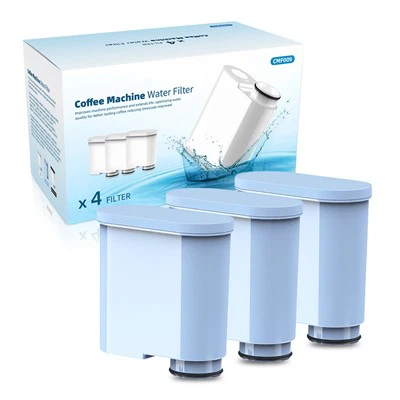
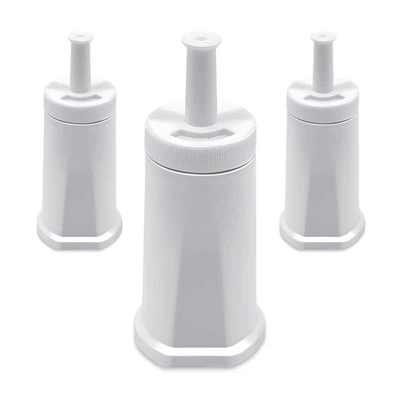
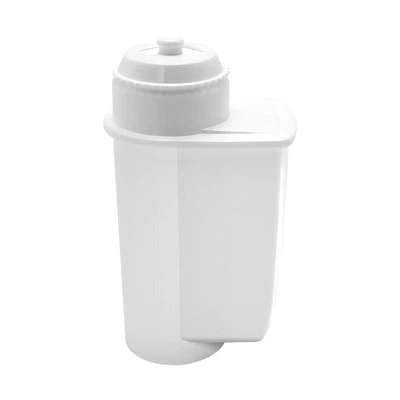
Pre-filter (PP cotton, activated carbon): Replace every 3-6 months to trap large particles of contaminants such as silt and residual chlorine.
RO reverse osmosis membrane: A core component, it is recommended that it be replaced every 12-24 months, with the specific replacement frequency adjusted based on water hardness. If water production significantly decreases or TDS levels exceed the standard, it should be replaced promptly.
Water Tank Cleaning: Long-term use can breed bacteria. Disinfecting the water tank every six months is recommended, or opt for a tankless water purifier.
Troubleshooting and Emergency Response
If you experience problems such as slow water production or unusual taste, first check whether the filter is clogged and whether the water pressure is normal. Regularly test the outlet water TDS (should be <50 mg/L). High values indicate possible RO membrane failure. Additionally, avoid using chlorine-containing detergents to rinse the unit to prevent degradation of plastic components.
Through proper use and maintenance, a reverse osmosis water purifier not only provides consistently high-quality drinking water but also reduces long-term operating costs, safeguarding the health of your family.