Are heat toilet lids resistant to scratches? This is a question that many consumers and industry insiders often ponder. As a heat toilet lid supplier, I have delved deep into this topic to provide you with comprehensive insights.
Understanding the Materials of Heat Toilet Lids
Heat toilet lids are typically made from a variety of materials, each with its own characteristics regarding scratch resistance. The most common materials include polypropylene (PP), acrylonitrile butadiene styrene (ABS), and tempered glass.
Polypropylene is a widely used material in the manufacturing of heat toilet lids due to its cost - effectiveness and relatively good chemical resistance. It has a certain degree of flexibility, which can absorb minor impacts and reduce the likelihood of scratches. However, it is not as hard as some other materials, and over time, sharp objects can leave visible marks on its surface.
Acrylonitrile butadiene styrene is another popular choice. ABS is known for its strength, durability, and good surface finish. It offers better scratch resistance compared to PP, as it has a harder and more rigid structure. The material can withstand normal wear and tear, such as the contact with toilet paper rolls or the movement of hands during use, without easily getting scratched.
Tempered glass is often used in high - end heat toilet lids. It is extremely hard and has excellent scratch resistance. Tempered glass can resist scratches from most common household items, including keys, coins, and even some sharp tools. However, it is also more brittle than plastic materials, and a strong impact can cause it to shatter.
Factors Affecting Scratch Resistance
Apart from the material, several other factors can influence the scratch resistance of heat toilet lids.
Surface Treatment
Many heat toilet lids undergo surface treatment processes to enhance their scratch resistance. For example, some manufacturers apply a hard - coating layer on the surface of the lid. This coating acts as a protective barrier, preventing scratches from reaching the base material. The quality and thickness of the hard - coating can vary significantly between different products, which directly affects the level of scratch protection.
Usage Environment
The environment in which the heat toilet lid is used also plays a crucial role. In a household with children or pets, the likelihood of the lid getting scratched is higher. Children may accidentally drop toys or other objects on the lid, while pets may scratch it with their claws. Additionally, if the toilet is located in a high - traffic area or is frequently used by multiple people, the lid is more likely to experience wear and tear, increasing the risk of scratches.
Cleaning Methods
Improper cleaning methods can also cause scratches on heat toilet lids. Using abrasive cleaners or harsh scrubbing tools, such as steel wool or rough sponges, can damage the surface of the lid. It is recommended to use mild, non - abrasive cleaners and soft cloths for cleaning to maintain the scratch resistance of the lid.
Testing the Scratch Resistance of Heat Toilet Lids
At our company, we conduct rigorous testing to ensure the scratch resistance of our heat toilet lids. We use industry - standard scratch testing equipment, which simulates real - world scenarios to evaluate the performance of the lids.
One common test method is the Taber abrasion test. In this test, a rotating abrasive wheel is applied to the surface of the lid under a specific load. The wheel rotates for a certain number of cycles, and then the surface of the lid is examined for scratches. We measure the depth and width of the scratches and compare the results with our quality standards.
Another test we perform is the pencil hardness test. We use pencils of different hardness levels to apply pressure on the surface of the lid. If the pencil leaves a scratch on the lid, we record the hardness level of the pencil. This test helps us determine the minimum hardness that the lid can withstand without getting scratched.
Our Product Range and Scratch Resistance
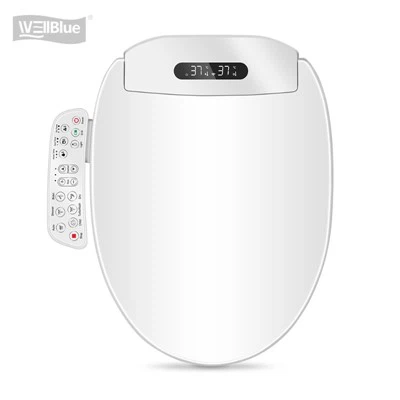
We offer a wide range of heat toilet lids, each designed to meet different customer needs. Our Multi - functional Side Control Bidet Seats are made from high - quality ABS material with a special hard - coating surface treatment. This combination provides excellent scratch resistance, ensuring that the lids look new even after long - term use.
Our Black Panel Side Control Bidet Seats feature a sleek and modern design. The black panel is made from tempered glass, which offers superior scratch resistance. It can resist scratches from daily use and cleaning, maintaining its elegant appearance over time.


For those who prefer a more ergonomic design, our U Shape Side Control Bidet Seats are a great choice. These seats are also made from durable materials with enhanced scratch - resistant properties, providing both comfort and long - lasting performance.
Conclusion
In conclusion, the scratch resistance of heat toilet lids depends on the material, surface treatment, usage environment, and cleaning methods. While no heat toilet lid is completely scratch - proof, our products are designed to offer high - level scratch resistance through the use of quality materials and advanced manufacturing processes.
If you are in the market for heat toilet lids and are concerned about scratch resistance, we invite you to contact us for more information. Our team of experts can provide you with detailed product specifications and help you choose the best heat toilet lids for your needs. Whether you are a homeowner looking to upgrade your bathroom or a business owner in the hospitality industry, we have the right solutions for you. Let's start a conversation about your procurement needs and find the perfect heat toilet lids for your project.
References
- ASTM International. (2023). Standard Test Methods for Abrasion Resistance of Organic Coatings by the Taber Abraser. ASTM D4060 - 19.
- ISO International Organization for Standardization. (2022). Paints and varnishes — Determination of scratch resistance — Part 1: Constant - load method. ISO 1518 - 1:2022.