Hey there! If you're running a commercial kitchen, you know how important it is to have clean and safe water. Whether you're cooking, brewing coffee, or washing dishes, the quality of your water can make a huge difference in the taste and safety of your food and drinks. That's where water filters come in. But with so many options out there, how do you know which one is the best for your commercial kitchen? Well, I'm here to help. As a water filter supplier, I've seen it all, and I'm going to share with you everything you need to know to choose the right water filter for your business.
Why Do You Need a Water Filter in Your Commercial Kitchen?
First things first, let's talk about why you need a water filter in the first place. In a commercial kitchen, water is used for a variety of purposes, and the quality of that water can impact everything from the taste of your food and drinks to the lifespan of your equipment.
- Taste and Quality: Clean water is essential for making great-tasting food and drinks. Chlorine, sediment, and other contaminants can give your water an unpleasant taste and odor, which can affect the flavor of your coffee, tea, soups, and more. A good water filter can remove these impurities, ensuring that your beverages and dishes taste their best.
- Equipment Protection: Hard water, which contains high levels of minerals like calcium and magnesium, can cause scale buildup in your pipes, faucets, and appliances. This can lead to clogs, reduced water flow, and even damage to your equipment over time. A water filter can help prevent scale buildup by removing these minerals, extending the lifespan of your appliances and reducing maintenance costs.
- Health and Safety: Contaminants in your water can pose a health risk to your customers and employees. Bacteria, viruses, and other pathogens can cause illness, and chemicals like lead and mercury can have long-term health effects. A water filter can remove these contaminants, providing safe, clean water for drinking, cooking, and washing.
Types of Water Filters for Commercial Kitchens
Now that you know why you need a water filter, let's take a look at the different types of filters available and which ones are best suited for commercial kitchens.
1. Carbon Filters
Carbon filters are one of the most common types of water filters used in commercial kitchens. They work by adsorbing contaminants onto the surface of the carbon. This includes chlorine, sediment, volatile organic compounds (VOCs), and some heavy metals.
- Advantages: Carbon filters are relatively inexpensive, easy to install, and effective at improving the taste and odor of your water. They are also good at removing chlorine, which can help protect your equipment from corrosion.
- Disadvantages: Carbon filters are not effective at removing all contaminants, such as bacteria, viruses, and dissolved minerals. They also need to be replaced regularly to maintain their effectiveness.
2. Reverse Osmosis (RO) Systems
Reverse osmosis systems are a more advanced type of water filter that use a semi-permeable membrane to remove a wide range of contaminants from your water. This includes bacteria, viruses, dissolved minerals, and heavy metals.


- Advantages: RO systems are highly effective at removing contaminants, providing clean, pure water for drinking, cooking, and other uses. They can also help reduce scale buildup in your equipment and improve the taste of your food and drinks.
- Disadvantages: RO systems are more expensive than carbon filters and require professional installation. They also produce a significant amount of wastewater, which can be a concern in areas with water shortages.
3. Ultraviolet (UV) Disinfection Systems
UV disinfection systems use ultraviolet light to kill bacteria, viruses, and other pathogens in your water. They are typically used in conjunction with other types of filters, such as carbon filters or RO systems, to provide an extra layer of protection.
- Advantages: UV disinfection systems are effective at killing a wide range of pathogens, providing safe, clean water for drinking and cooking. They are also easy to install and maintain, and they do not produce any chemicals or waste.
- Disadvantages: UV disinfection systems do not remove other contaminants, such as sediment, chlorine, or dissolved minerals. They also require a power source to operate, which can increase your energy costs.
4. Water Softeners
Water softeners are designed to remove hard water minerals like calcium and magnesium from your water. They work by exchanging these minerals for sodium ions, which do not cause scale buildup.
- Advantages: Water softeners can help prevent scale buildup in your pipes, faucets, and appliances, extending their lifespan and reducing maintenance costs. They can also improve the efficiency of your equipment and make your cleaning products work better.
- Disadvantages: Water softeners add sodium to your water, which can be a concern for people on a low-sodium diet. They also require regular maintenance, including the addition of salt to the brine tank.
Choosing the Best Water Filter for Your Commercial Kitchen
Now that you know the different types of water filters available, how do you choose the best one for your commercial kitchen? Here are some factors to consider:
- Water Quality: The first step in choosing a water filter is to have your water tested to determine its quality. This will help you identify the specific contaminants that need to be removed and choose the appropriate filter.
- Flow Rate: The flow rate of your water filter is important, especially in a commercial kitchen where you need a large volume of water quickly. Make sure to choose a filter that can handle the flow rate of your kitchen's water supply.
- Capacity: The capacity of your water filter refers to the amount of water it can treat before it needs to be replaced or regenerated. Consider the size of your kitchen and your daily water usage when choosing a filter with the appropriate capacity.
- Budget: Water filters can vary widely in price, so it's important to consider your budget when making a decision. Keep in mind that while a more expensive filter may offer better performance and longer lifespan, it may not be necessary for your specific needs.
- Maintenance: Different types of water filters require different levels of maintenance. Some filters need to be replaced regularly, while others need to be regenerated or cleaned. Make sure to choose a filter that is easy to maintain and fits your schedule.
Our Recommended Water Filters for Commercial Kitchens
As a water filter supplier, we offer a range of high-quality water filters that are specifically designed for commercial kitchens. Here are some of our top recommendations:
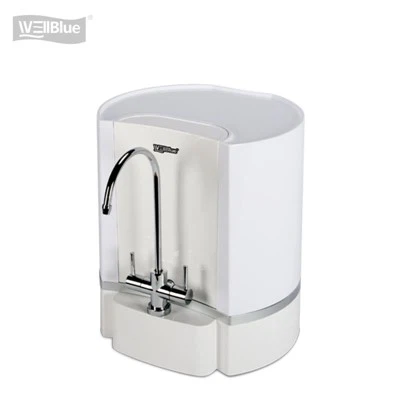
- Hot And Cold Water Purifier Dispenser: This all-in-one unit combines a reverse osmosis system with a hot and cold water dispenser, providing clean, pure water at the touch of a button. It's perfect for commercial kitchens that need a convenient and reliable source of hot and cold water for drinking and cooking.
- 3.8L Alkaline Water Filter Jug: This portable water filter jug is a great option for smaller commercial kitchens or for use in areas where a permanent water filtration system is not practical. It uses a combination of carbon and ion exchange filters to remove contaminants and add beneficial minerals to your water, making it alkaline and more hydrating.
- Desktop Hydrogen Water Machine: This innovative water filter machine produces hydrogen-rich water, which is known for its antioxidant properties. It's a great addition to any commercial kitchen that wants to offer its customers a healthy and refreshing beverage option.
Conclusion
Choosing the right water filter for your commercial kitchen is an important decision that can have a big impact on the taste, quality, and safety of your food and drinks. By considering your water quality, flow rate, capacity, budget, and maintenance needs, you can choose a filter that meets your specific requirements. And if you're looking for high-quality water filters that are specifically designed for commercial kitchens, look no further than our range of products.
If you're interested in learning more about our water filters or have any questions about choosing the right filter for your business, please don't hesitate to contact us. We'd be happy to help you find the perfect solution for your commercial kitchen.
References
- "Water Filtration for Commercial Kitchens." Water Quality Association.
- "Choosing the Right Water Filter for Your Business." NSF International.
- "The Importance of Water Filtration in Commercial Kitchens." Foodservice Equipment & Supplies.